He Māhuri Tōtara Waihōanga 2026
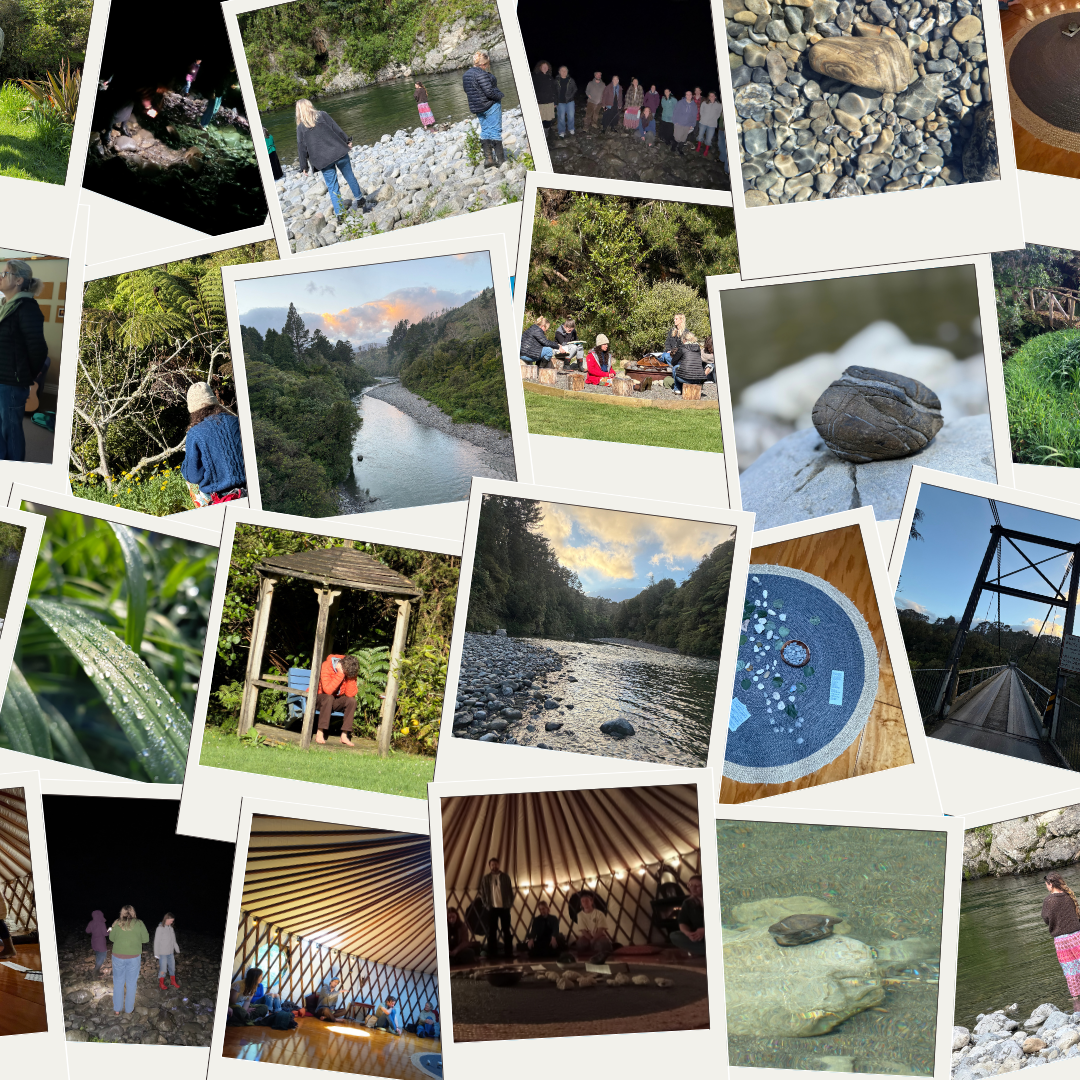
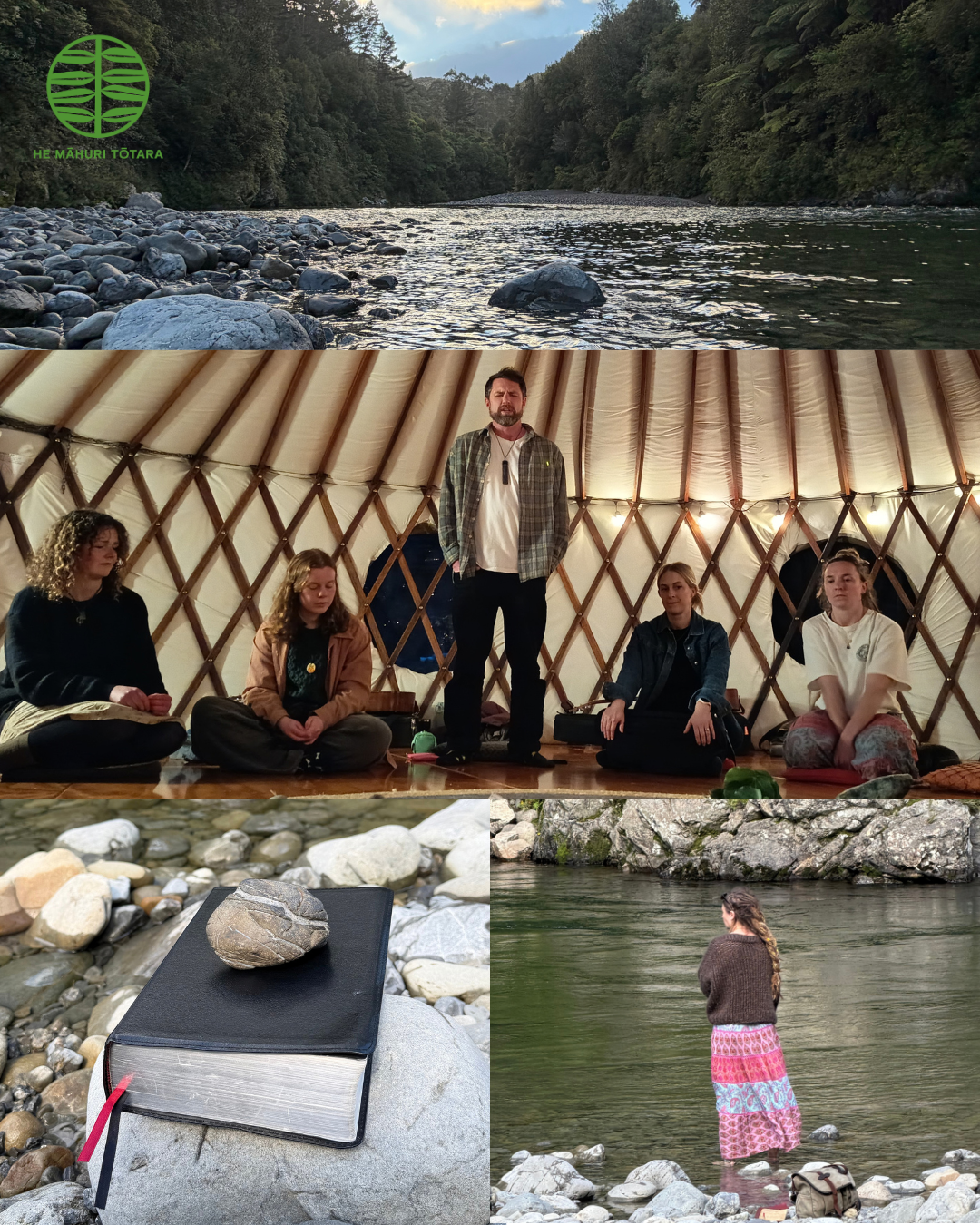
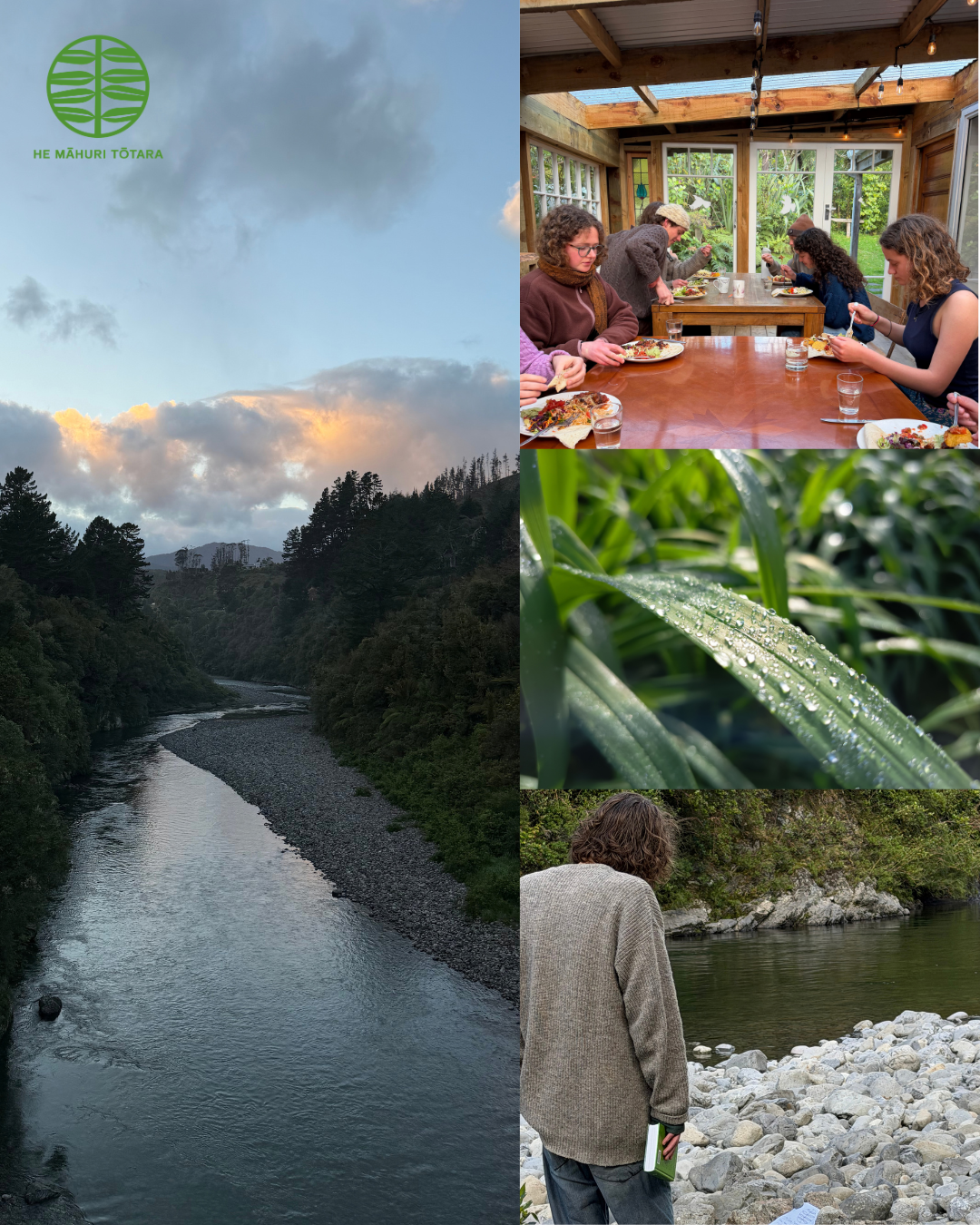
We gathered at Waihōanga on the second of October 2026, a crew of passionate people arriving at a beautiful location, ready to ask big questions and learn how to follow Jesus together.
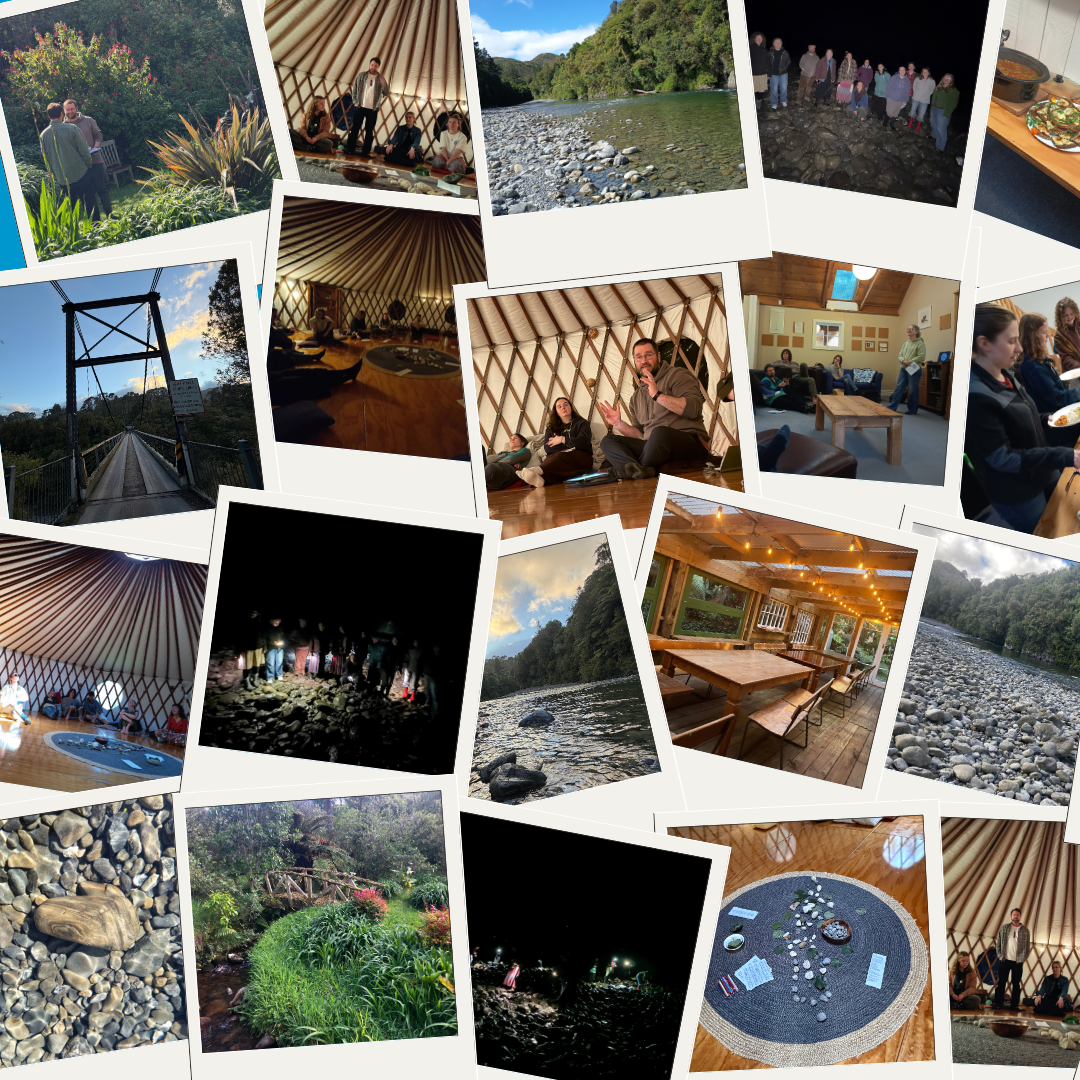
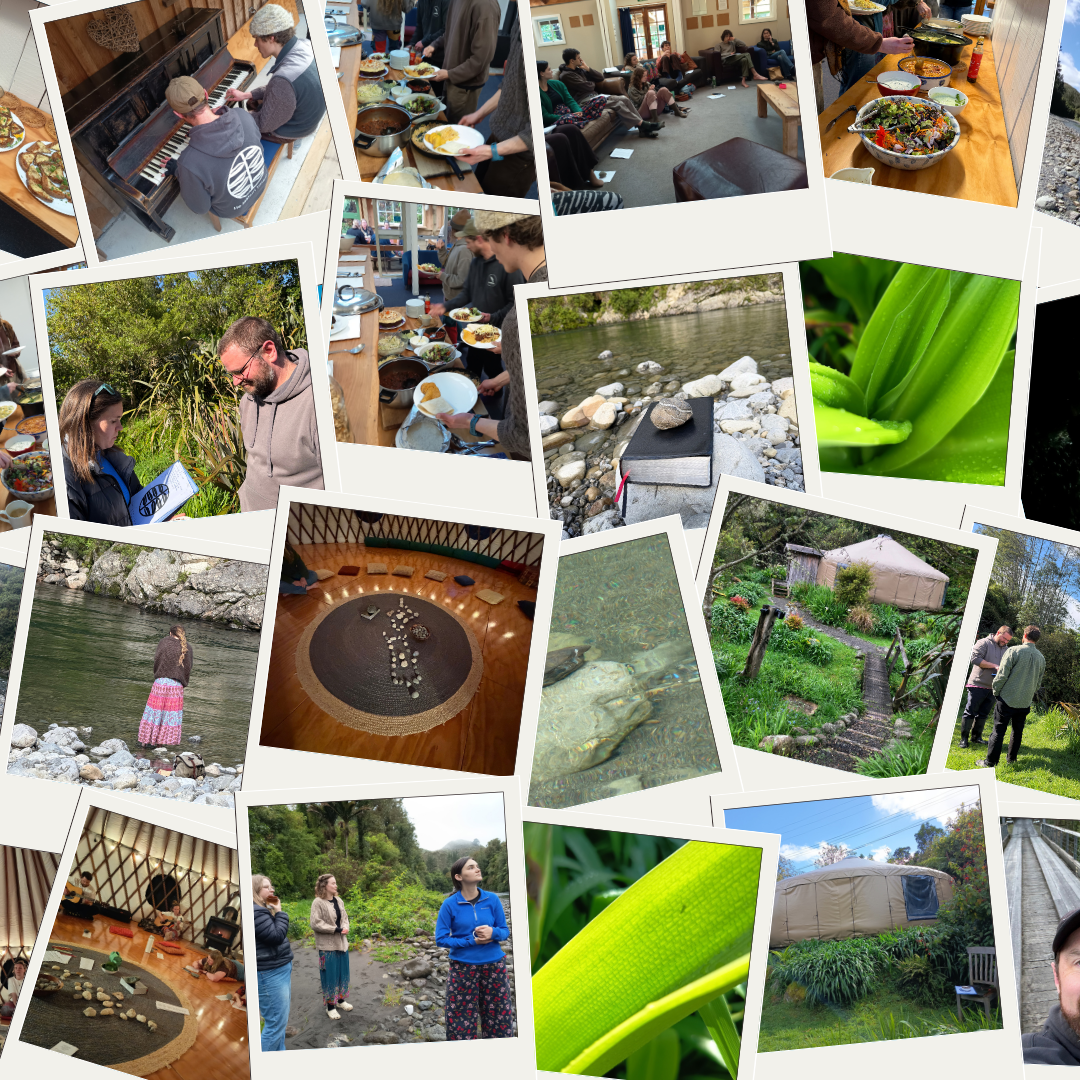
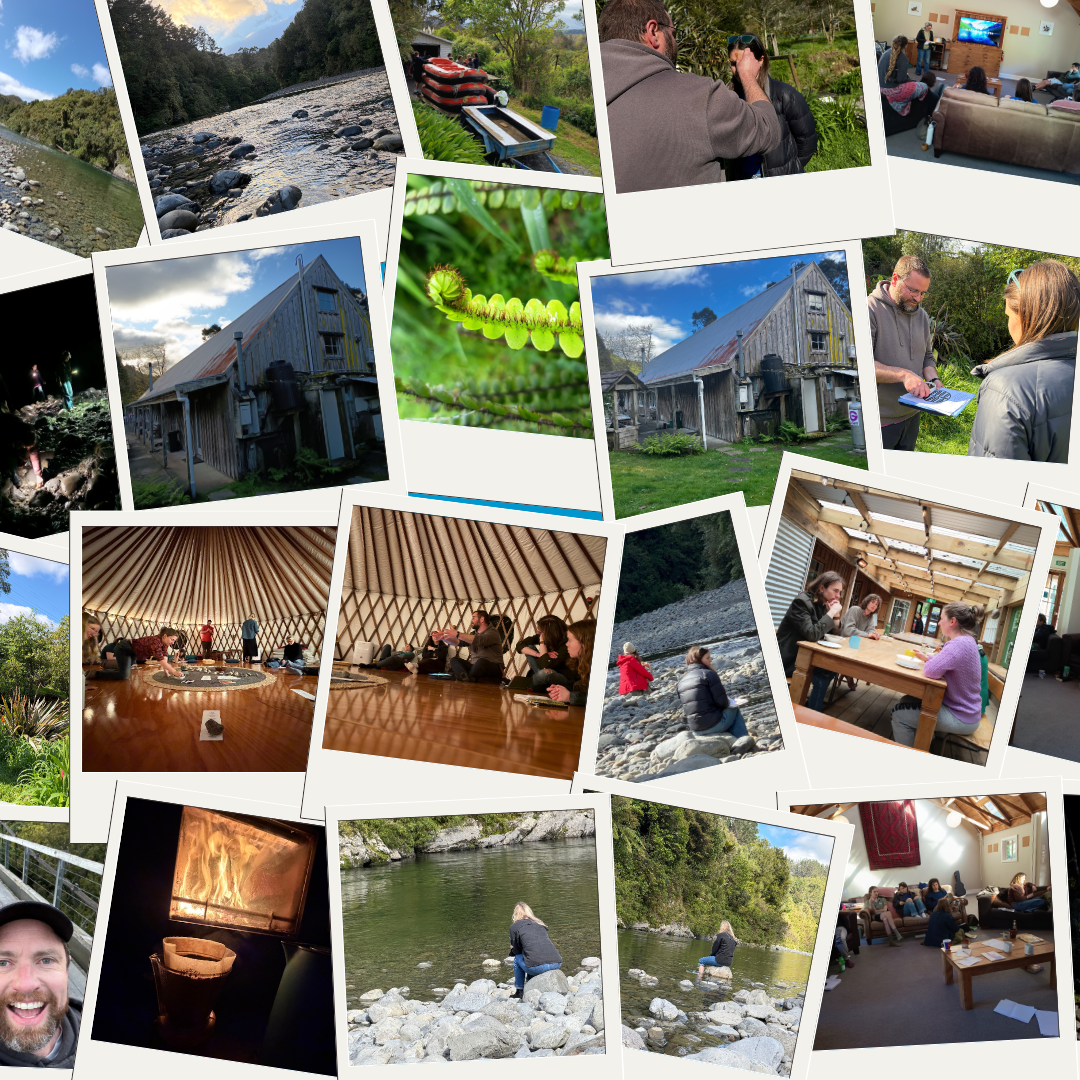
On Friday evening, we settled into a beautiful yurt to locate ourselves in the reality of the world we inhabit. We began a process of gathering stones, holding those physical weights as we lamented the things that are broken. Together, we honestly confronted the dramatic impacts of biodiversity loss and climate change, but we also carved out space to reflect on the things that give us hope. As one person noted, it was an important way to begin for those who "tend to sit in the discouraged or overwhelmed space" to find a sense of both lament and hope.
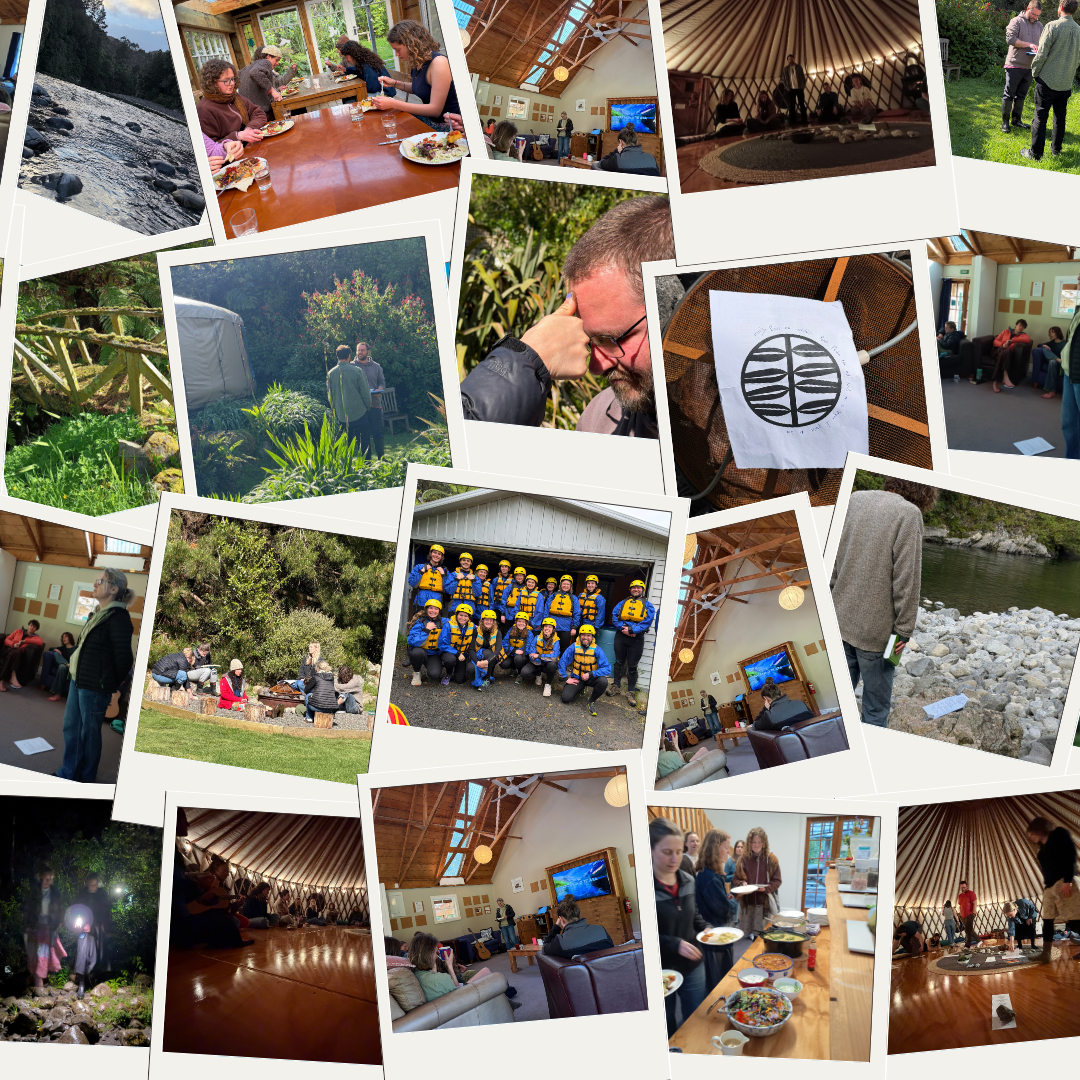
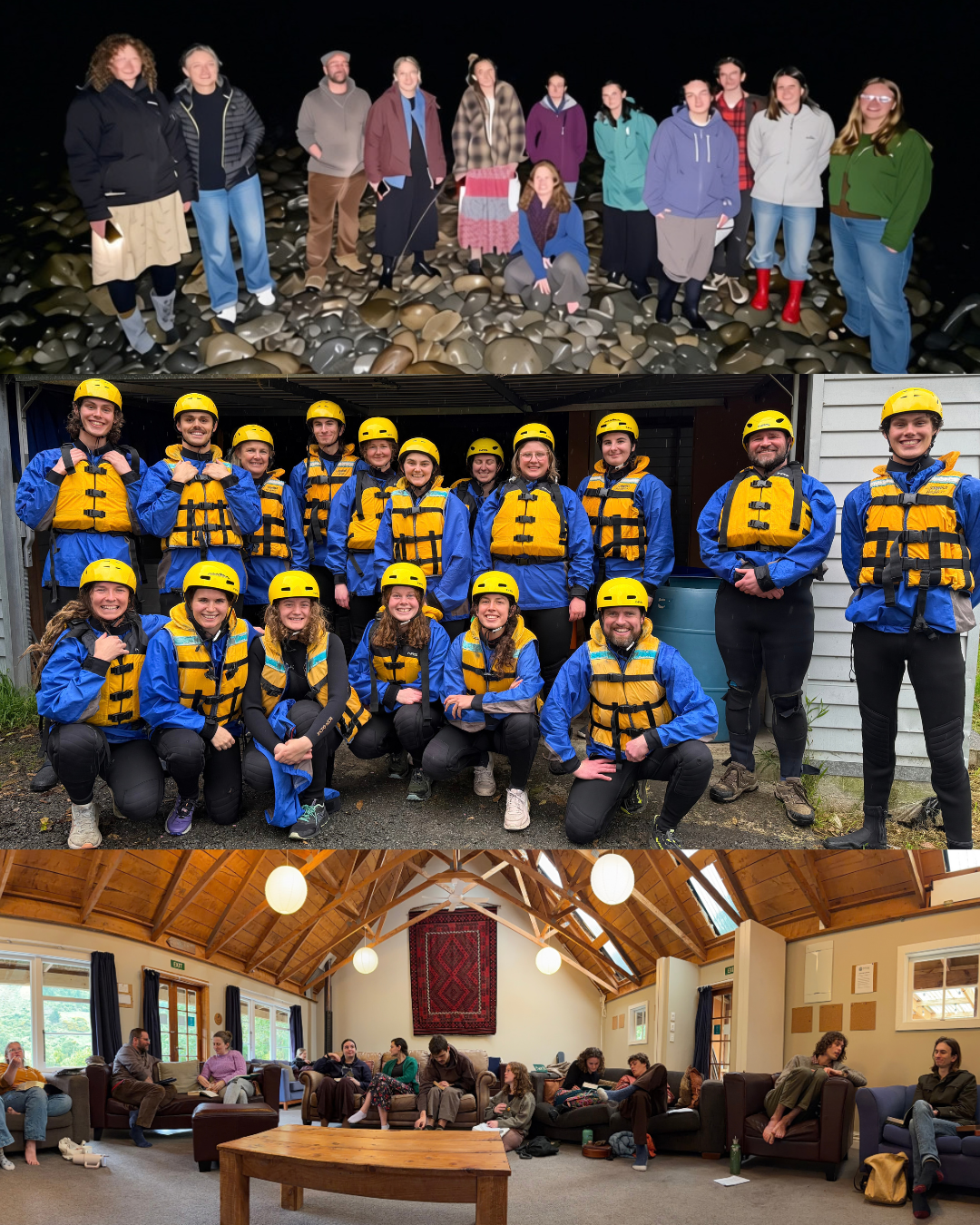
The end and the beginning of each day were marked by evening and morning prayers. Saturday morning was a crash course into ecotheology. For many, the depth of these theological conversations was transformative, helping to "open up wider the possibility of my passion for environmentalism and love of Christ to converge and build one another up." The afternoon shifted our focus from theology to the created world as we rafted down the Ōtaki River. It was incredibly fun, offering everyone a chance to witness natural regeneration in its fullness on both banks. Back at Waihōanga, the experiences flowed, including a memorable discussion around an N.T. Wright quote, before an impromptu afternoon music jam session broke out. One participant described the experience as "a bit of the Kingdom on earth."
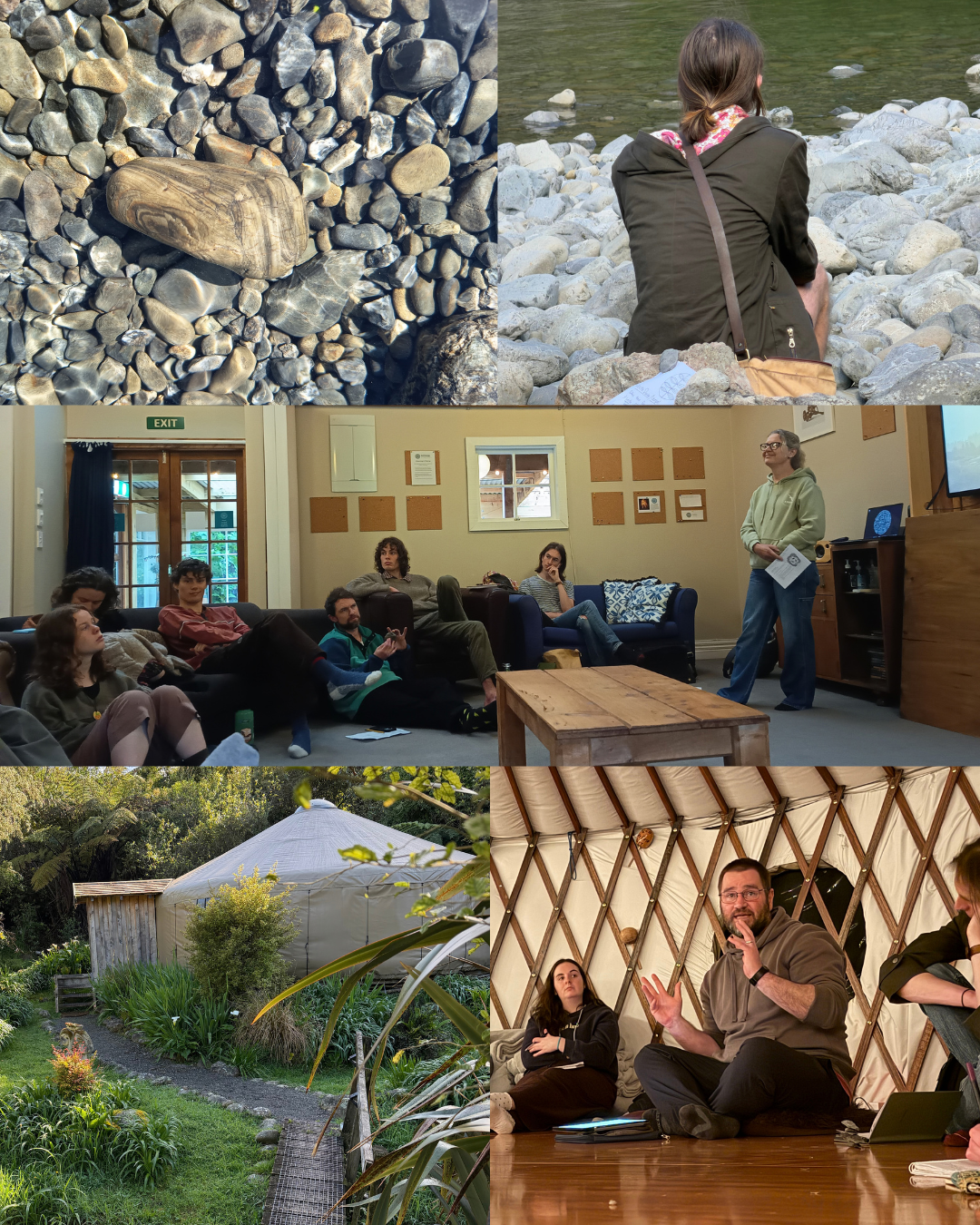
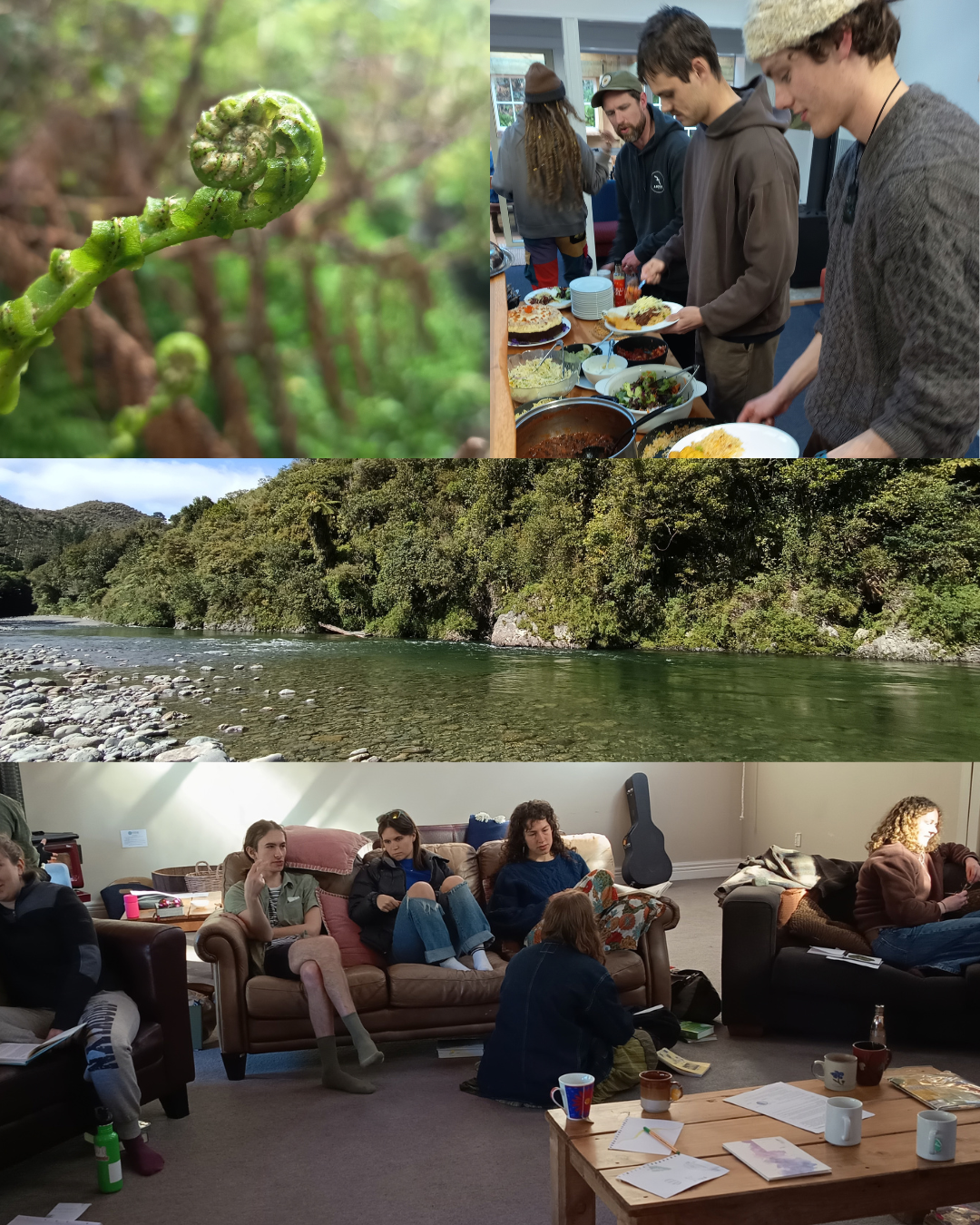
As night fell, we returned to the yurt. We engaged in a wānanga about what it means for us to care for God’s good creation and what actions we might be called into. The vulnerability of that session was profound. Leaving the yurt later that night and looking up at the sky full of stars was profound. One participant perfectly captured the feeling, noting that "the combo of the rawness of the session and the awe of creation was amazing."
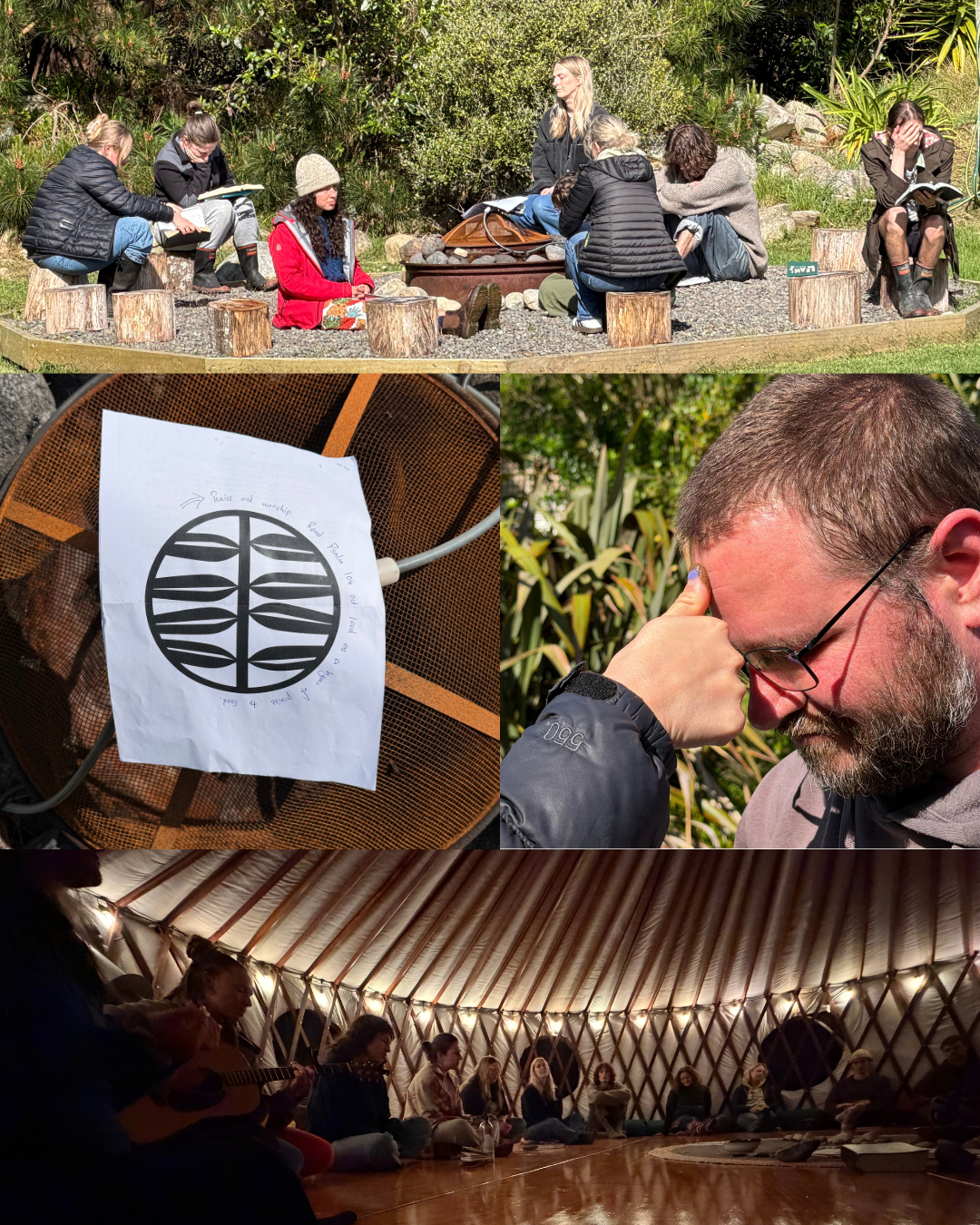
Sunday morning brought all of the threads together as we engaged in a station-based liturgical pilgrimage in nature. We loved encountering God outdoors and eventually releasing the stones we had carried since Friday. It was a beautiful culmination of our time together, and it gave us space to wrestle with what it means to be followers of Jesus in a country actively working through the impacts of colonisation. but it wasn’t all heavy, as one participant said, "It was so, so lovely to be cared for and filled up spiritually."
He Māhuri Tōtara reminded us how precious it is to be in a space filled with passionate people open to exploring what it means to follow Jesus at a time of ecological crisis. Participants departed feeling "spiritually refreshed, peaceful and inspired".