Community Gardens
A community garden is “a beautiful way to bring people together, grow your own food and share knowledge and lifelong skills”, says Kahu de Beer, the author of this magazine article: The Spirit of Community Gardens. Community gardens are also about reconnecting people with how food is grown and produced, and also has the potential to be a public health intervention for the community. You can read more about this on NZ’s Centre for Sustainable Cities’ website who supported research in this area.
Churches as sites for Community Gardens
We have come across many churches who have community gardens. Some are featured in our Stories section (see section below). In some instances members of the church run the community garden. In others, the community garden may have been started by the church, but then passed on to the community. Or the church could just be providing the site to be used as the community garden. We’d love to feature more stories on community garden at churches - so if you know of one, please let us know.
Community Fruit and Vegetable Stands
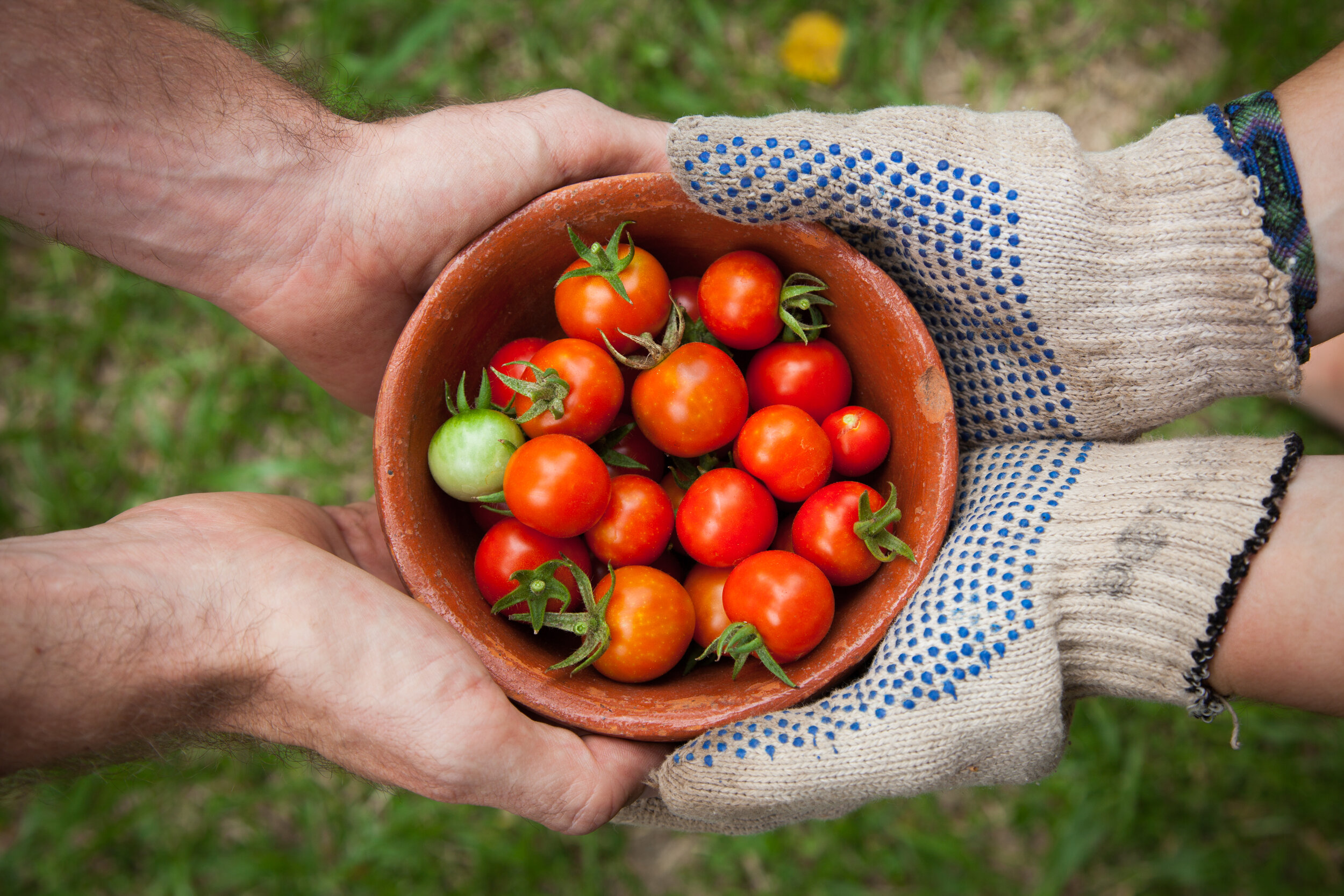
Community fruit and vegetable stands are popping up all around New Zealand, giving people a place where they can leave their excess produce for others to help themselves to. Check out the Community Fruit and Veg Stands Facebook group to see examples of stands around Aotearoa New Zealand.
If your church is interested in setting up a community fruit and veg stand, check out this page from the Love Food Hate Waste website.
Community Garden resources
Growing Point is a regenerative organic garden at Dignan Street Community Garden, Point Chevalier. They are a Centre of Regenerative Learning and a member of the Urban Farmers Alliance where we get great support and mentoring. They have some great videos on all sorts of useful things for a community garden like pruning, composting and feeding the soil. Check out Growing Point’s videos here!
Mātauranga Māori in Food Growing
Some gardeners adopt mātauranga Māori in their food growing practices by planting in line with maramataka ot the Māori lunar calendar. The maramataka is a complex system traditionally used by Māori, described as a template for survival in modern times. Maramataka is about synchronising daily activities of Māori with the environment (taiao), moon, sun, stars and planets.
Read more:
Meet the Māori growers who are sharing sustainable kai this Christmas
Gardeners, here's how the maramataka can tell us when to start sowing and growing
How you can learn to grow your own kai using maramataka Māori
Another concept from mātauranga Māori is Hua Parakore - a Māori organic approach to growing kai. It provides a kaupapa Māori pathway for Māori producers to tell a kaupapa Māori story with regards to their food production.
Read more here: Te Waka Kai Ora website
Relevant Eco Church NZ stories
St Peter’s Anglican Church in Kaikōura has been buzzing with life this season — from a joyful Blessing of the Animals service to flourishing gardens and community working bees. Read how the parish is nurturing people, place, and all creatures as part of their Eco Church journey.
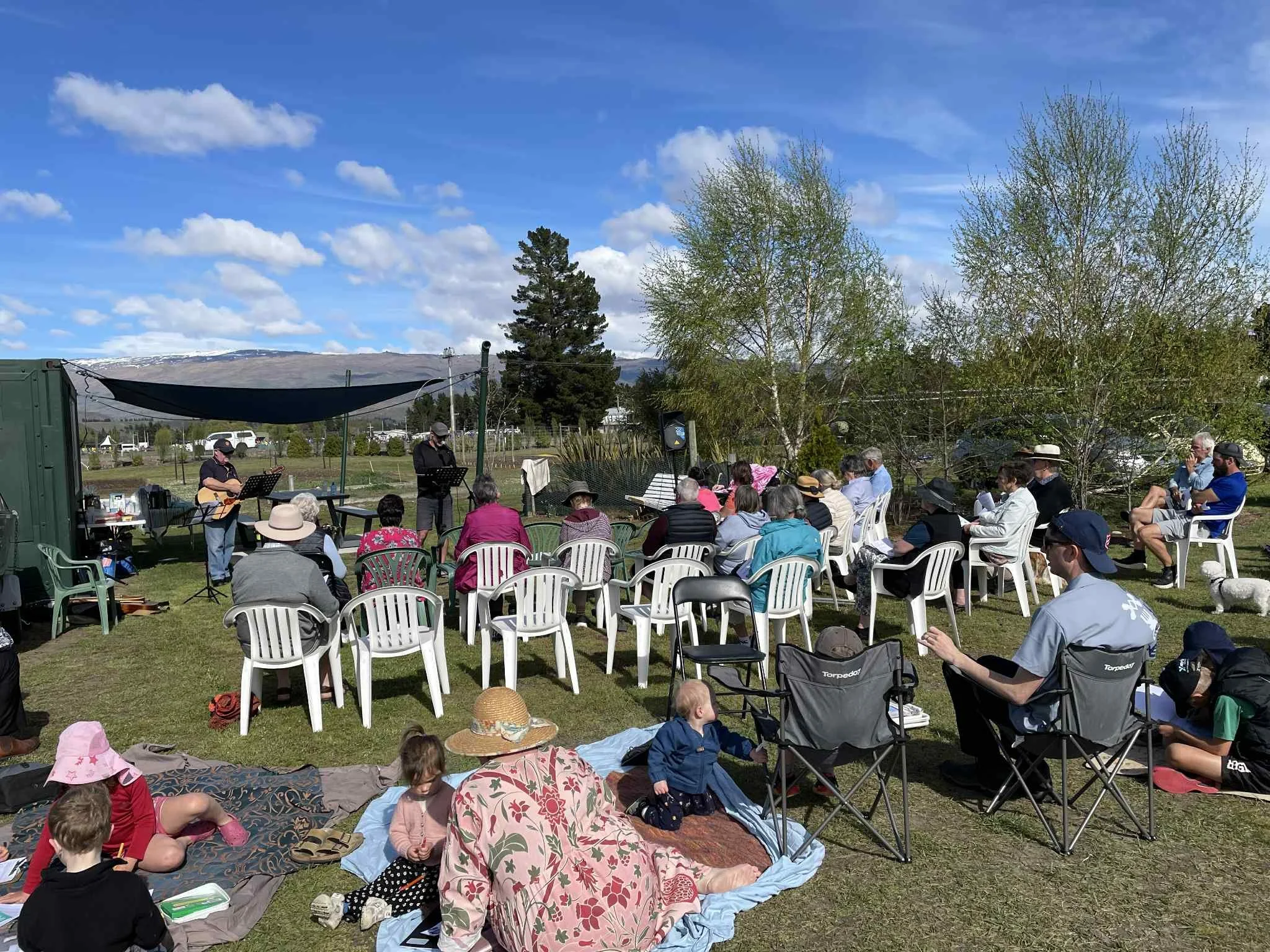
Across September and October, Alexandra Corps joined churches across Aotearoa in celebrating the Season of Creation, reflecting on the theme Peace with Creation. The Corps community embraced practical care for the environment — from a Kids Church worm farm project to a community planting day at Eden Gardens — and joined fellow Eco Church, Alexandra, Clyde and Lauder Union Parish for outdoor worship in the gardens. Together, they expressed their ongoing commitment to caring for God’s creation.
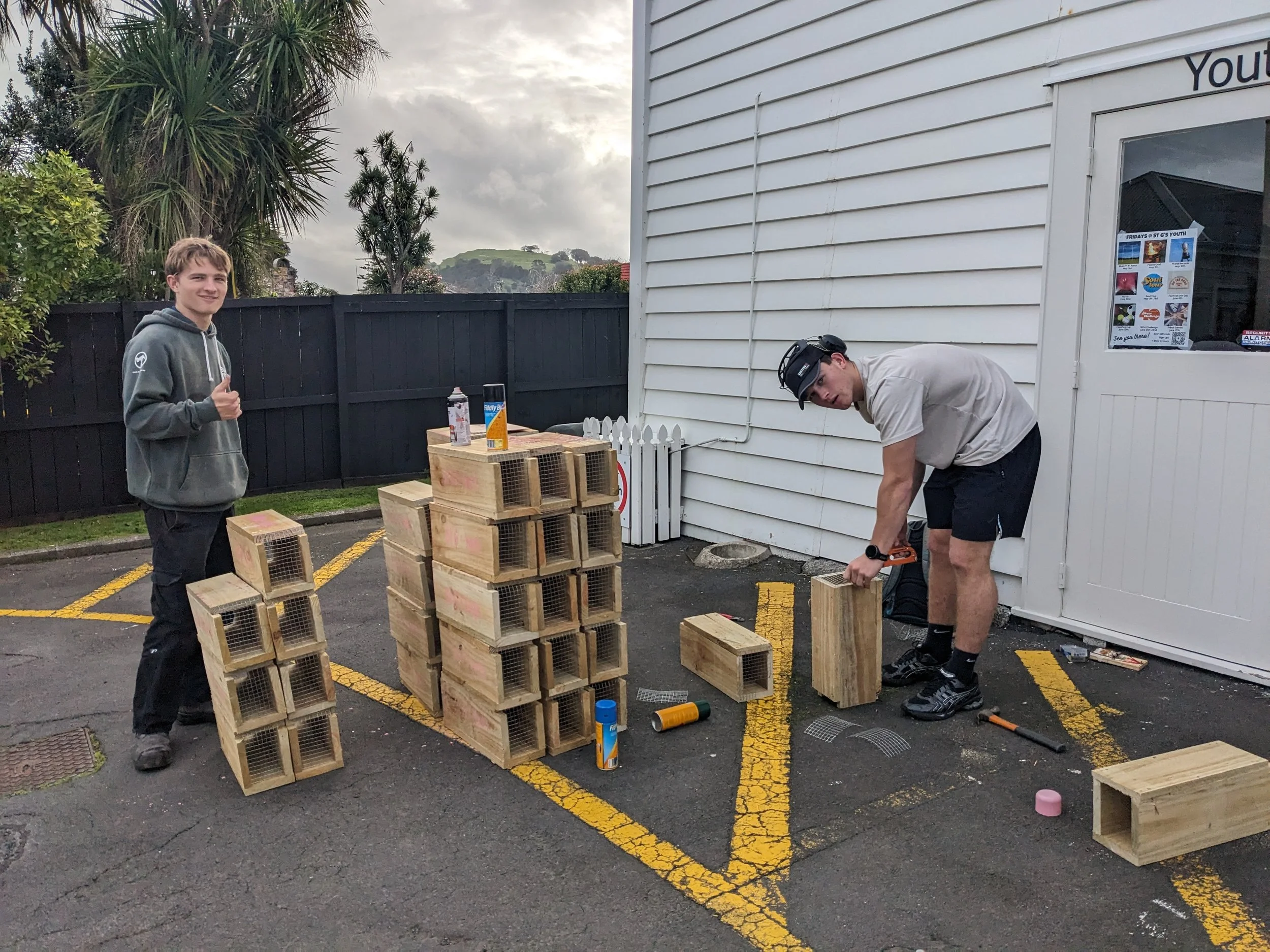
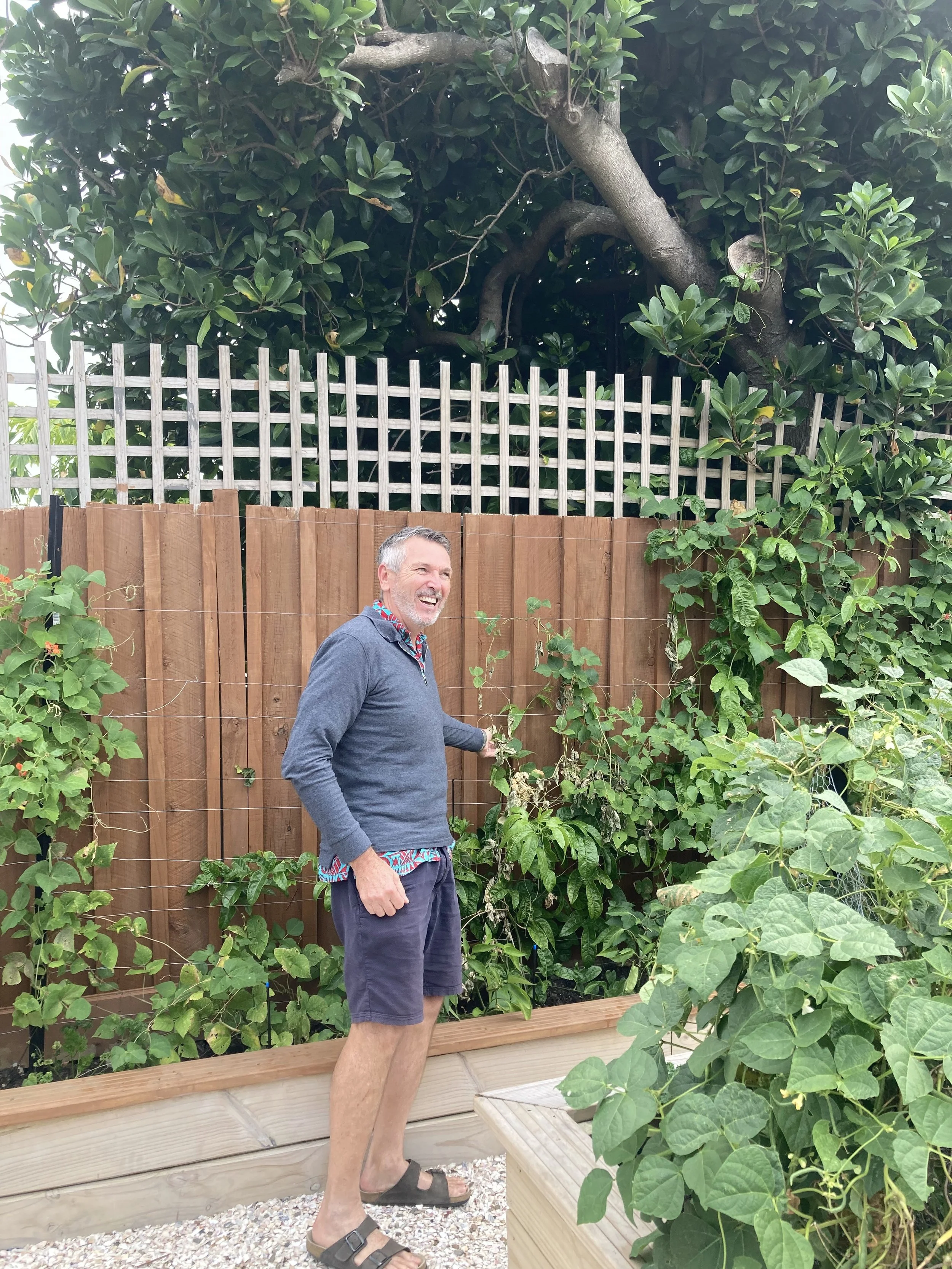
From building rat traps to sharing home-grown vegetables, the St George’s Epsom community is finding creative ways to live out Eco Church values. This story highlights youth-led conservation and a new approach to food growing that supports both creation care and local food security.
Since April this year, Co-Missioners Caro Willis and Maria Kirkland have seen the transformative power of community unfold at St Matthew's, Taitā, through their weekly commitment to the church’s community garden. The turning point came when a member of St Matt’s, a teacher from Capital Training who works with rangatahi (youth), approached the Missioners with a question: "Do you think I could bring my young people to the garden each week?"
Since then, a group of 4–6 rangatahi from Capital Training has joined the community gardening sessions each week for the last two school terms. They’ve gotten their hands dirty, participating in planting, harvesting, and cooking with produce from the garden. Each session concludes with shared kai (food) and whanaungatanga (connection time), bringing the participants closer together.
At Eco Church, we believe that caring for creation is a divine calling, one that connects us with God, creation, and our neighbors. Grow Forrest Hill is a beautiful embodiment of this mission. The project which was started by Dave and Phoebe Atkinson, is nestled in the heart of Auckland’s North Shore. Grow Forrest Hill is more than a garden — it's a space that nurtures and nourishes connection and community. Dave said “This garden is a physical space within a community, recognizing that placemaking is really part of human flourishing. It's a place where our kids can experience what it feels like to be loved, to be connected to your place, to know your neighbours."
St Peter’s Anglican Church in Gonville Whanganui are creating space in their front garden for a whole lot of connecting and growing. St Peter’s Garden is more than just a garden – it’s a space where the community can connect, make friends, grow veges… and play chess!
All Saints Burwood shared with us their journey so far as an Eco Church… and the little and big steps that have been made.
Chartwell Cooperating Church is a seasoned traveller on the sustainability journey and as shown from the excerpts below - already has so many stories to share with the Eco Church whānau. Read on to find out more and be inspired to start a creation care initiative at your church!
The local green space at Oxford Street, Masterton was starting to look like a party. Live music, balloons, lawn games and the smell of sizzling sausages could all be observed last Sunday as we celebrated Neighbours Day Aotearoa.
All Saints Ponsonby recently organised a Market Day which included a dedication of their new community garden that has been in development since late last year.
Late in 2020 All Saints Anglican Church in Ponsonby formed an eco-committee and went through the Eco Church self-assessment worksheet to ascertain areas to begin working on. A number of areas were identified through the worksheet, with the establishment of a community garden being determined as the most important. We liked the idea of a community garden because the church had available land, it is a very visible project and one of our church members has the expertise to make it happen.
St Andrew’s Community Food Gardens were established to promote sustainable organic gardening practices to produce edible produce for the community. In 2018, the late John Allen, a parishioner of St Andrew’s, was our Sustainability Fieldworker and he spearheaded the team that established the food gardens. View a photo tour around our community vegetable garden as it’s been developed over the years!
In November 2019, ADJust - Diocese of Auckland Young Anglicans for Social Justice, put out to churches in the Auckland Anglican Diocese a "Green Up and Give Challenge". St John’s Anglican Royal Oak took up this challenge and set up a Pātaka Kai (community pantry) and community garden which is now contributing greens to their monthly community meals. Cathy Bi-Riley, the Sustainability Fieldworker from the Anglican Diocese of Auckland visited the church and talked to Sarah Pidgeon from the gardening team who shared with us their small beginnings and future hopes!
As you go past the unassuming church of St Matthew’s Anglican Church in Titahi Bay, you might notice the neat garden beds that line one side of the walkway to the church. Walking a bit further to the side of the hall, you will find some 20 feijoa trees. This is the Titahi Bay Community Garden @ St Matthew’s (TBCG@SM), a community garden run by the Titahi Bay community hosted at St Matthew’s grounds.
In November 2019, ADJust - Diocese of Auckland Young Anglicans for Social Justice, put out to churches in the Auckland Anglican Diocese a "Green Up and Give Challenge". The idea of the challenge was for churches to explore starting a community garden, starting a compost, or starting a Pātaka Kai over the season of advent. Below are a few stories from the Green Up and Give Challenge, courtesy of ADJust.