Biodiversity
In Aotearoa, the introduction of non-native, invasive species has had an enormous impact on our native wildlife and is a major environmental challenge in conservation.
The only mammals native to New Zealand are three species of bat. Introduced mammals, including possums, rats, mustelids (stoats, ferrets and weasels), mice, cats, goats and pigs have decimated our native forest flora and fauna. In freshwaters, introduced fish species such as trout and koi carp, invasive weeds and algae such as didymo all pose a major threat. The populations of many of our native species that evolved in the absence of these introduced predators have dramatically declined since their introduction. Without intervention by conservationists to control pest populations, many of Aotearoa’s native birds, reptiles, fish, insects, other invertebrates and plants would be lost to us forever.
“Biodiversity loss is one of the biggest threats we face, because without biodiversity, the world’s ecological processes (including climate) do not function as well. Biodiversity equals stability for habitats, ecological processes and climate. A less wild world is less able to provide for our needs, less able to provide dependable weather, seasons and sea temperatures and less able to absorb human impacts.”
Flourishing Life on Church Lands
The Anglican Diocese of Auckland created this awesome resource to urge a proactive approach and encouraged ministry units to explore ways in which land under their stewardship could be used to enhance native biodiversity. The information around ecology within this booklet relates specifically to the regions within the diocese – Northland, Auckland and Coromandel. This guide offers a range of suggestions and ideas for the way we manage our grounds and gardens to encourage biodiversity and connection. There are case studies of ministry units to illustrate some of what is already happening in this area and the potential for further action.
Get your church members involved in a local biodiversity or conservation project
Is there a local biodiversity or conservation project in your community that your church could support?
If you’re interested in predator free groups, check out Predator Free NZ’s map of projects.
If you’re interested in ecological restoration groups, check out Nature Space’s directory of community groups.
If you’re interested in beach clean-ups or riparian planting projects, check out Sustainable Coastlines’ list of events.
If you’re interested in support an A Rocha project, find out more about A Rocha local group projects or the Karioi Project - for latest events, check out the A Rocha facebook events page or the Karioi Project facebook events page. A short video on the Karioi Project (made by Patagonia, one of the Karioi Project funders) is shown below.
Start a restoration project
Is there a biodiversity / conservation / restoration project that your church would like to get started on?
Predator Free NZ offers some tips for starting a community predator control project.
Or you could encourage church members to start backyard trapping.
If you’d like to run a beach clean-up event, Sustainable Coastlines has a DIY kit to help get you organised.
Does your church (or church members) own land and would like to start a restoration project on the land? Check out this short video from Terry and Irene Parminter from Paraparaumu sharing with their church how they started a restoration project on their land.
Join a biodiversity citizen science project
Citizen scientists are volunteers who contribute to scientific projects, usually by collecting or analysing data. This would be an easy way to get church members involved in doing their little bit for a larger project. Here are some citizen science projects to explore:
New Zealand Garden Bird Survey - annually in June/July.
The Great Kererū Count - annually in September.
New Zealand Bird Atlas - ongoing for 5 years, started 1 June 2019 until 1 June 2024.
Watch the ‘Fight for the Wild’ documentary series together
'Fight for the Wild' is a four part documentary series that takes viewers into the wild heart of Aotearoa and documents the desperate battle to protect it. It explores the notion of a Predator Free 2050 and asks whether this big, bold initiative is achievable and if so, how?
Plan a birding retreat
A Rocha has created a resource to help you plan a bird-themed retreat day on 8 May (John Stott Memorial Birding Day) or any other day!
Check out this bird identification tool by the NZ Garden Bird Survey to help you identify birds commonly seen around Aotearoa’s gardens, schools and parks. Can't quite work out what is hiding in the trees in your garden? Have a listen to the bird call tracks on the website and see if you can identify your birds this way.
Free Online Courses by the Department of Conservation
Introduction to Natural Heritage - This free online course provides a broad understanding of the fundamentals of biodiversity and DOC’s management approach. This understanding is vital for anyone who works in conservation.
Animal Ecology Course - The Animal Ecology course is a free online course covering the differences between native and introduced animal species, how animals interact with each other, and why long-term predator control is vital.
Bird Identification - The Bird Identification online course will help you identify the 10 New Zealand forest birds most commonly recorded during five minute bird counts.
Wildflower meadows
Sustainable wildflower meadows with predominantly grasses and perennial plants require minimum intervention and are great for biodiversity as they attract insects, birds and micro-organisms. Wildflower meadows would suit areas that are difficult to access, or inefficient to mow, like in between trees, as well as areas with low foot traffic. Is there somewhere around your church that would be suitable for a wildflower meadow?
Read more on this topic:
Meadows: the next big thing in sustainable gardening
Relevant Eco Church stories
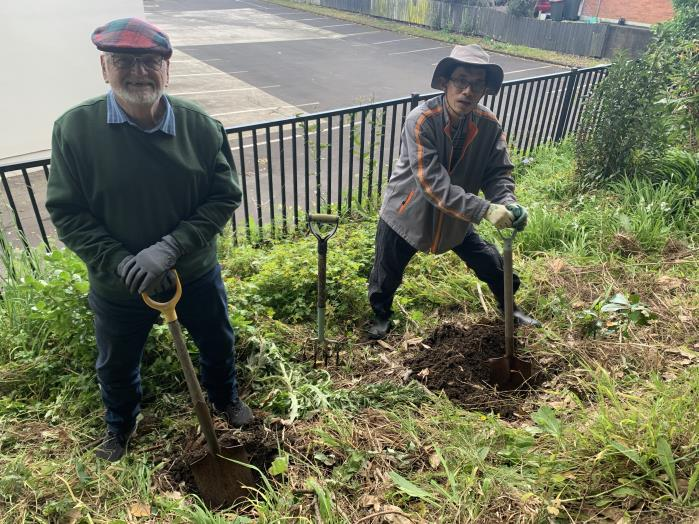
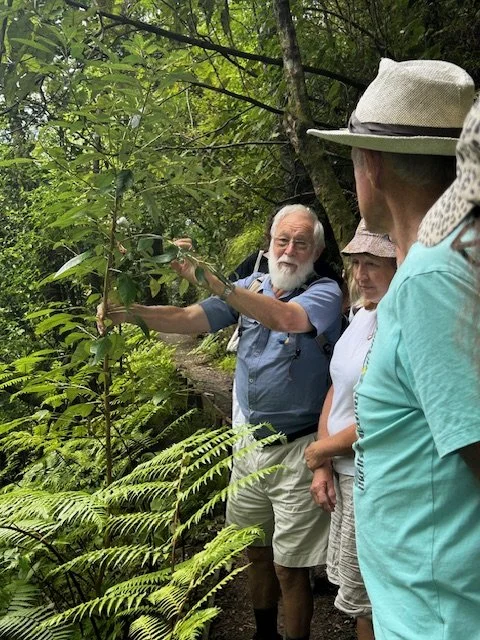
Members of Albany Presbyterian Church recently explored the Fernhill Escarpment in Albany, guided by knowledgeable botanists who helped them discover the richness of Aotearoa’s native bush—from towering podocarps like rimu and kahikatea to tiny ground-cover plants often overlooked. The walk deepened participants’ appreciation of the natural world and reminded them that learning to love and understand creation is the first step toward caring for it.
St Peter’s Anglican Church in Kaikōura has been buzzing with life this season — from a joyful Blessing of the Animals service to flourishing gardens and community working bees. Read how the parish is nurturing people, place, and all creatures as part of their Eco Church journey.
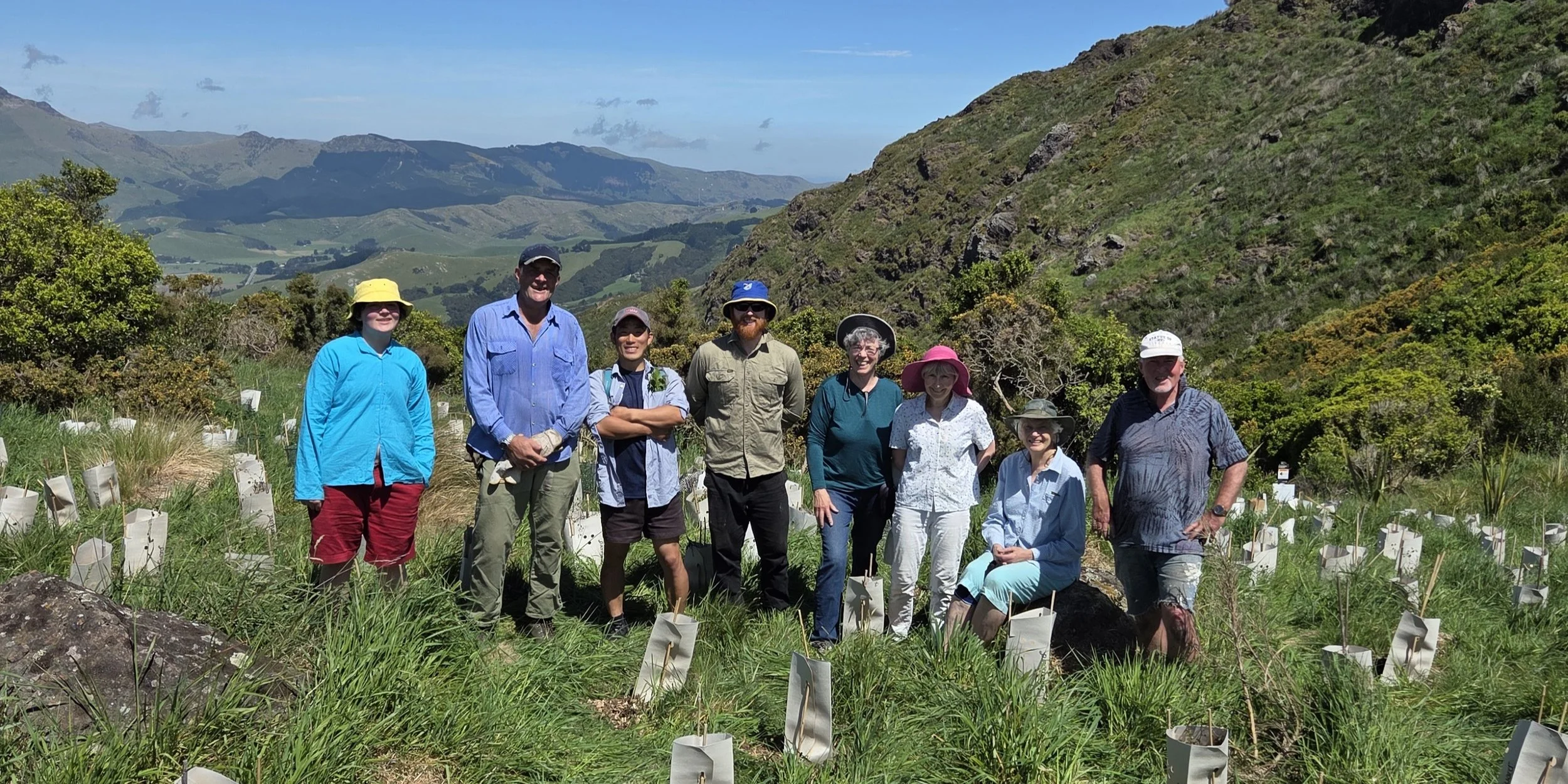
After a decade of restoration work in Landsdowne Valley, South West Baptist has begun a fresh six-year planting partnership at Westmorland West – continuing its restoration story with new energy, new partnerships, and a hillside ready for renewal.
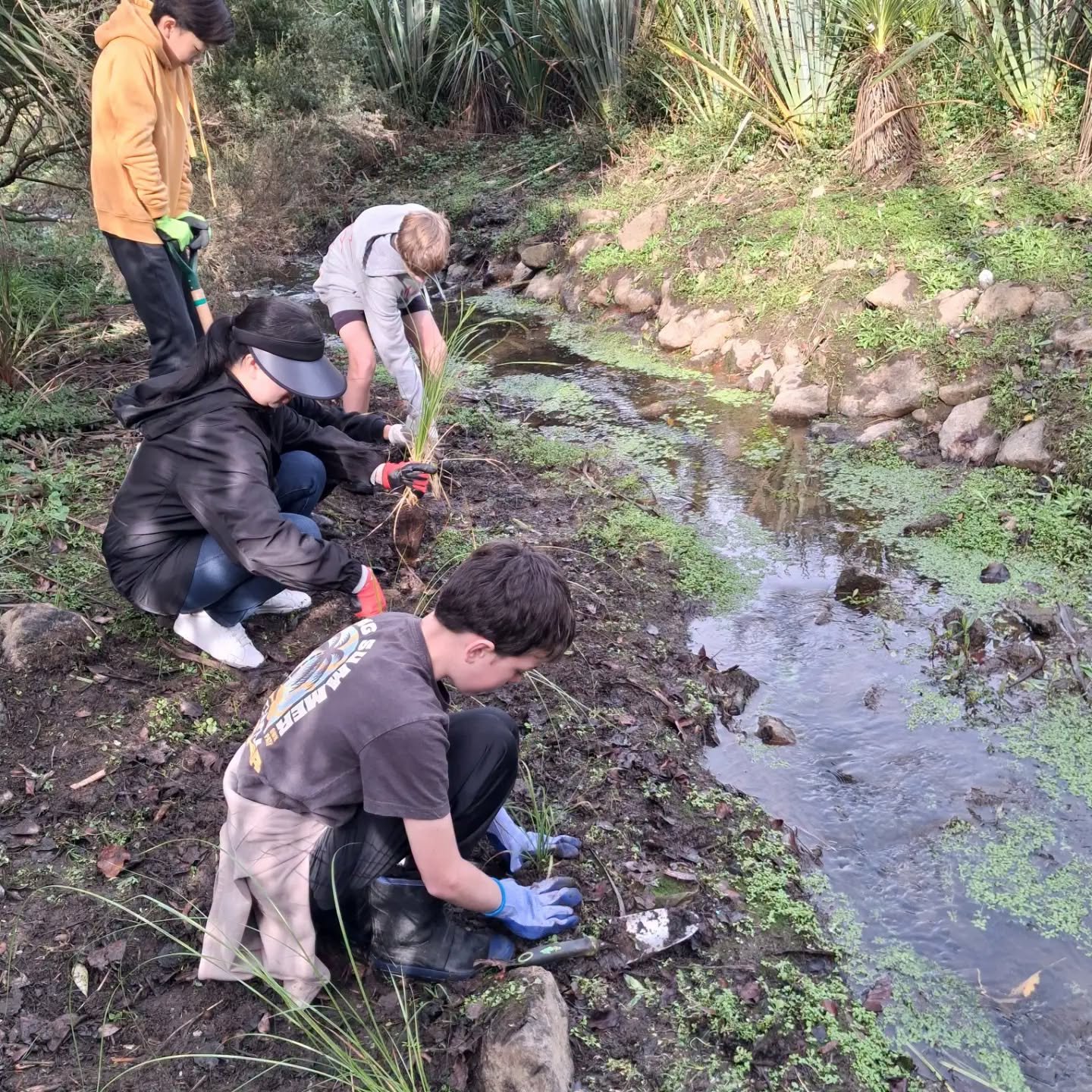
On a bright winter’s day, Cashmere Presbyterian Church began caring for a section of Ōhinetahi Bush Reserve on the Port Hills of Ōtautahi Christchurch. Supported by the Summit Road Society and the Student Volunteer Army, the church’s Eco Church team planted native trees and committed to ongoing stewardship — a shared act of faith, community, and environmental care.
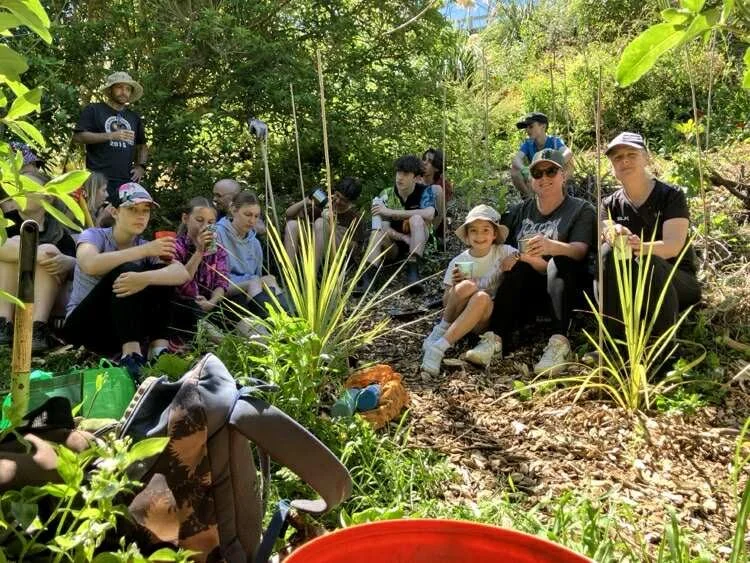
What began as simple weeding and clearing has grown into something much deeper. On a warm Sunday morning in Whanganui, youth, families, and neighbours gathered for hands-on restoration—and found themselves building community, nurturing their faith, and practising kaitiakitanga together. Discover how a small gully regeneration project is transforming both the land and the people who care for it.
In October, young adults and youth ministry leaders from across Aotearoa gathered on Kamau Taurua / Quarantine Island for He Māhuri Tōtara, a weekend of reflection, learning, and connection with creation. Guided by mana whenua, we listened to stories held in the land, explored eco-theology, planted trees, and watched toroa soar over the harbour. It was a time alive with wairua — grounding, hopeful, and deeply moving.
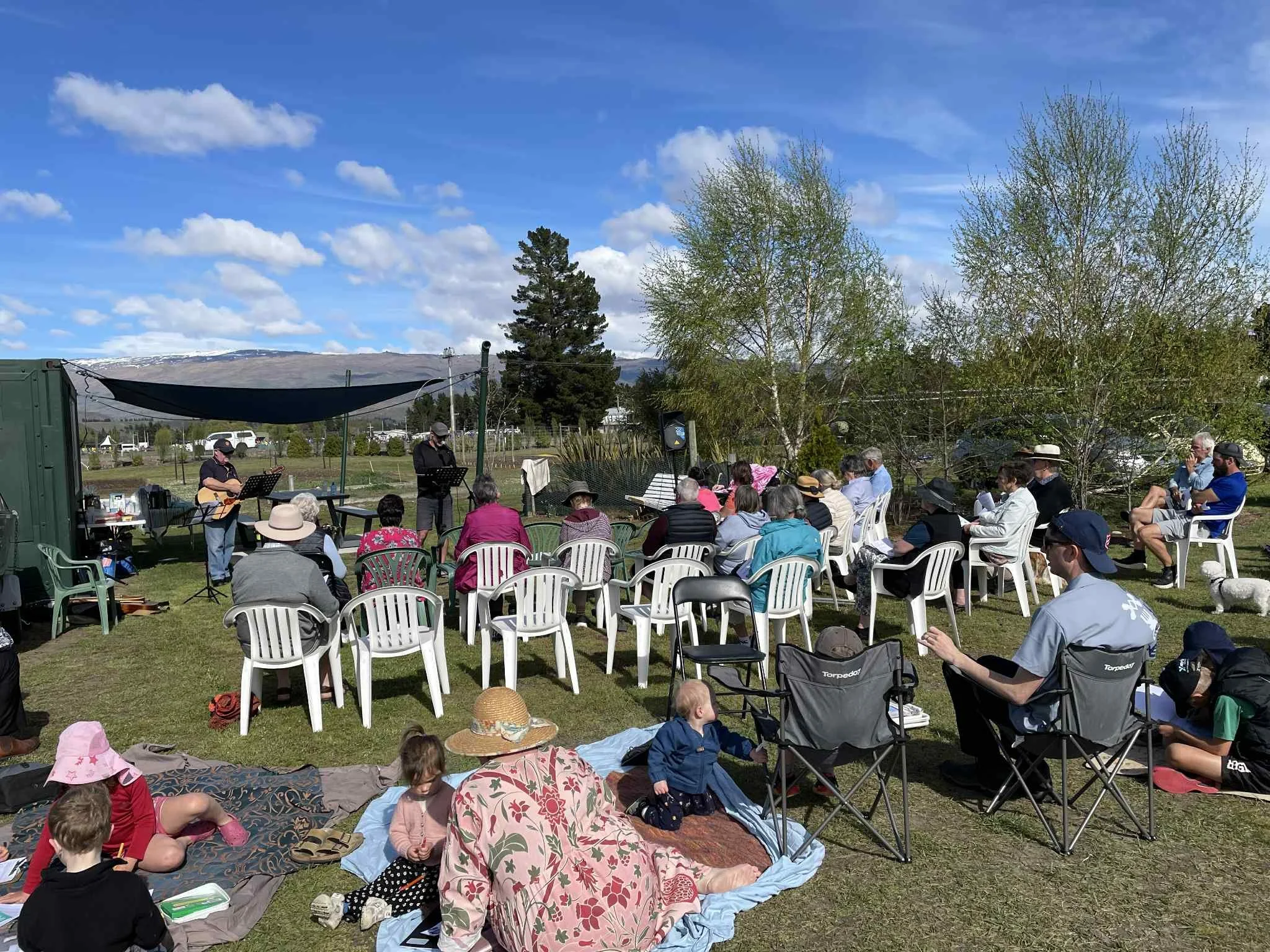
Across September and October, Alexandra Corps joined churches across Aotearoa in celebrating the Season of Creation, reflecting on the theme Peace with Creation. The Corps community embraced practical care for the environment — from a Kids Church worm farm project to a community planting day at Eden Gardens — and joined fellow Eco Church, Alexandra, Clyde and Lauder Union Parish for outdoor worship in the gardens. Together, they expressed their ongoing commitment to caring for God’s creation.
During this year’s Season of Creation, All Saints’ Anglican Church in Dunedin demonstrated its ongoing commitment to caring for God’s earth through hands-on community action. Parish members joined with the Student Christian Movement to plant 145 native trees on a South Otago farm, helping regenerate native forest and restore riparian habitats. Later in the month, a smaller group took to Te Awa o Ōwheo (the Leith) for a local river clean-up, reflecting the parish’s deep connection to this waterway and its place in the church’s story. Together, these actions embodied All Saints’ vision of faith expressed through stewardship, community, and hope for creation’s renewal.
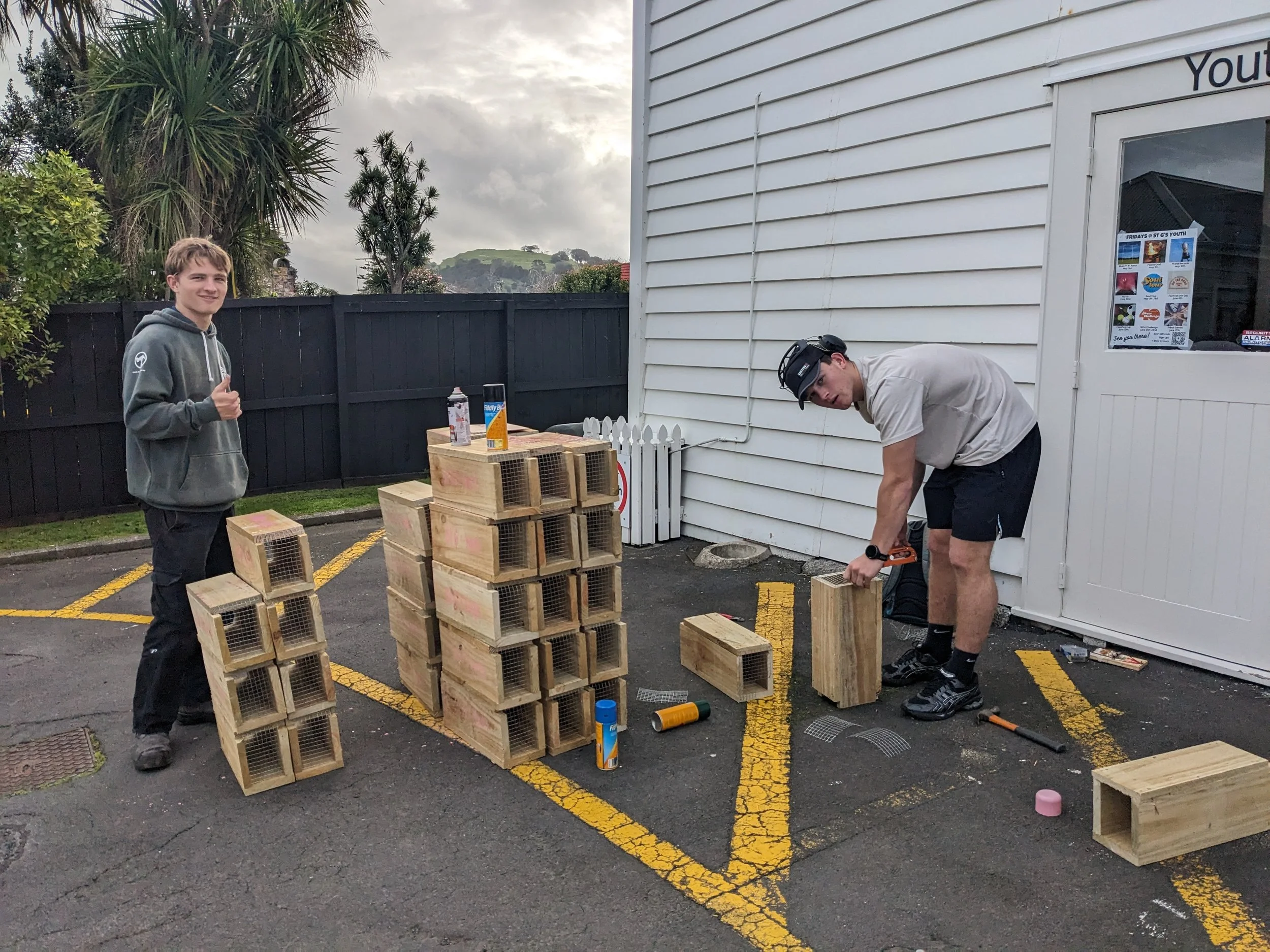
From building rat traps to sharing home-grown vegetables, the St George’s Epsom community is finding creative ways to live out Eco Church values. This story highlights youth-led conservation and a new approach to food growing that supports both creation care and local food security.
Young people from churches in Christchurch and Auckland have come together through the Good News Project 2025 to restore local ecosystems and explore the links between faith, climate justice, and food insecurity as part of World Vision’s 40 Hour Challenge. Coordinated by A Rocha’s Eco Church team with support from conservation project partners, the project empowers youth to be good news for creation through hands-on conservation and gospel-inspired action.
On 8 March 2025, members of the Kāpiti Anglican Parish set out on a unique local pilgrimage—tracing the Wharemauku Stream from its quiet headwaters to its mouth at the sea. Along the way, we paused to reflect, test water quality, and learn about the stream’s ecological and cultural significance. This journey deepened our sense of place and strengthened our connection with the whenua and wai that flow through our parish and community. Through learning about the history of the stream and its importance to the Puketapu hapū of Te Āti Awa, we also engaged with mātauranga Māori—acknowledging the depth of indigenous knowledge tied to this landscape.
With over 1000 attendees from churches all over the country, it was a privilege to have the opportunity to hold an Eco Church workshop at the New Wine Festival held at Wairarapa College this January. Anna Baird and Steve Thawley from the Tribe Church in Masterton led the workshop with help from Eco Church Regional Coordinator Mo Morgan.
During the Season of Creation, Ruapehu Anglican Parish hosted a successful community working bee, transforming a wetland area adjacent to St. Mary’s Hall on Seddon Street in Raetihi. The initiative, aimed at rehabilitating the local environment, brought together 20 volunteers, including students from Ohakune Primary School’s William Pike Challenge programme.
On a beautiful spring morning, Kristel, Selwyn and I had the pleasure of visiting Flagstaff Community Church in Dunedin. When we arrived at Flagstaff Community Church, Rev. Brendon McRae welcomed us, dressed in his Hunting and Fishing gear, clearly in the midst of working on the church's native regeneration project. He is a pastor who truly embodies the phrase "faith in action." Not only is he deeply invested in the spiritual growth of his congregation, but he is also equally passionate about the church’s role as kaitiaki of God’s good creation.
The story of Te Ringatini began in 2018 during one of my runs along the river. As I was going through the Donkey Track reserve, I was struck by the stark contrast between the established riparian planting and the invasive tradescantia weeds that were choking the understory. At that moment, amidst the beauty and the brokenness, I felt a divine nudge - a sense that God was calling me to help restore this piece of creation. I felt myself saying “Someone should do something about this” and I felt God respond “You should do something about this”. Yet I felt totally unprepared for the task that I sensed God was calling me into.
Christchurch's Urban Forest Plan is a Council-led and community-driven effort to create a greener, more equitable city. By planting, nurturing, protecting, and involving the community, Christchurch is well on its way to becoming a greener city - ensuring all of the benefits of trees are available for us and for generations to come. Churches are encouraged to contribute to a thriving urban forest by planting trees on their properties and engaging their congregations in environmental initiatives.
In true Waikato fashion, Saturday morning 23 March was wet. Proper heavens-open sort of rain. Yet that didn’t stop 35 people gathering at Anglican Action Mahi Mihinare to hear from several speakers about conservation and sustainability. Read what attendees have to say about the event...
Having joined in the Eco Church movement in 2023, St Mike’s are continuing to look for ways to support local whenua. As the recent Season of Creation kicked off, each member of the church whānau were invited to consider making a fresh pledge for creation: one act which they would personally commit to in response to the call to be kaitiaki of God’s world.
Chartwell Cooperating Church is a seasoned traveller on the sustainability journey and as shown from the excerpts below - already has so many stories to share with the Eco Church whānau. Read on to find out more and be inspired to start a creation care initiative at your church!
Cityside Baptist community had long wanted to enhance the gardens around their building. They also wanted to extend them, with a couple of gravelled spaces at the back of the church calling out to be planted. In 2021, they began a programme to explore what being a regenerative church could look like. At the same time, they joined the Eco Church movement and the garden project sat easily at the intersection of these initiatives. After years of dreaming and months of planning, in August last year, the community got stuck in to make the new garden happen. Even one or two self-proclaimed “non-gardeners” got their hands dirty.
The local green space at Oxford Street, Masterton was starting to look like a party. Live music, balloons, lawn games and the smell of sizzling sausages could all be observed last Sunday as we celebrated Neighbours Day Aotearoa.
Members of St Michael’s Eco church group in Kelburn, Wellington have been supporting the Pukehinau Reserve biodiversity restoration project and were excited to be part of the opening of the new Pukehinau walking track between Kelburn and Aro Valley in November 2022.
At St Peter’s Anglican Church in Kaikōura, we have been privileged to help some of our local endangered birds this autumn. Kaikōura is home to the endangered Hutton’s Shearwater / Kaikōura tītī (Puffinus huttoni). Crash landings or ‘fallout’ of Hutton’s Shearwaters in the Kaikōura township is frequent, as the fledglings find their way to the sea at night. St Peter’s parishioners take an active role in patrolling for and rescuing the birds at night throughout this season.
At Pauatahanui Anglican parish, one of our four core values is legacy. For many years prior to the launch of Eco Church, a group called God’s Earth Our Home operated within the parish, fostering a deep spiritual sense of ecological responsibility within parishioners and nurturing environmental action. This provided a natural launching pad for the parish to join the Eco Church movement at the start of 2021.
At St. Peter's Anglican in Kaikōura we had our Blessing of the Animals service on Sunday. In addition to blessing the nine dogs and one cat present (and the domestic animals not present) we blessed, at a distance, the wild animals that call Kaikōura home, including the dotterels/tūturiwhatu, hutton's shearwaters/tītī, little blue penguins/kororā, and hector's dolphins.
St. Peter's Anglican Church in Kaikōura are volunteering with and financially supporting the work of Kaikōura Ocean Research Institute (KORI). For six weeks (early June-mid-July, 2021), some parishioners are also helping with the Great Kaikōura Whale Count. Volunteers are stationed on a hill on the peninsula to spot whales passing by, especially humpbacks on their northern migration. The hope is that, over time, we'll get a baseline of data regarding movements and behaviour of the migrating humpbacks that can inform future conservation decisions.
The Anglican Diocese of Auckland, a denominational partner of Eco Church NZ, has an ongoing commitment to reduce their carbon footprint and care for creation. As part of this commitment, the diocesan staff organised a half-day planting working bee on 12 May at Matuku Link. Fifteen diocesan staff from Neligan House attended the event. They were joined by clergy from Henderson-Swanson Parish.