Fire, freshwater and forests with Kahikatea Kids
Contributed by Diana Johnston, Eco Church Christchurch Coordinator
As we walked to pick up the children, the rain started again. The forecast looked pretty wet for the next three days, but the rain couldn’t dampen the spirits of the nine children excitedly waiting to begin the Kahikatea Kids holiday programme. We donned our raincoats and set off for the farm, where we could shelter for the day.
As we ate morning tea, we asked the children how many Bible stories involving fire they could remember. The Israelites being led through the desert, Moses and the burning bush, Jesus cooking fish on the beach, flames at Pentecost… Fire appears throughout the Bible as a sign of God’s presence and Spirit.
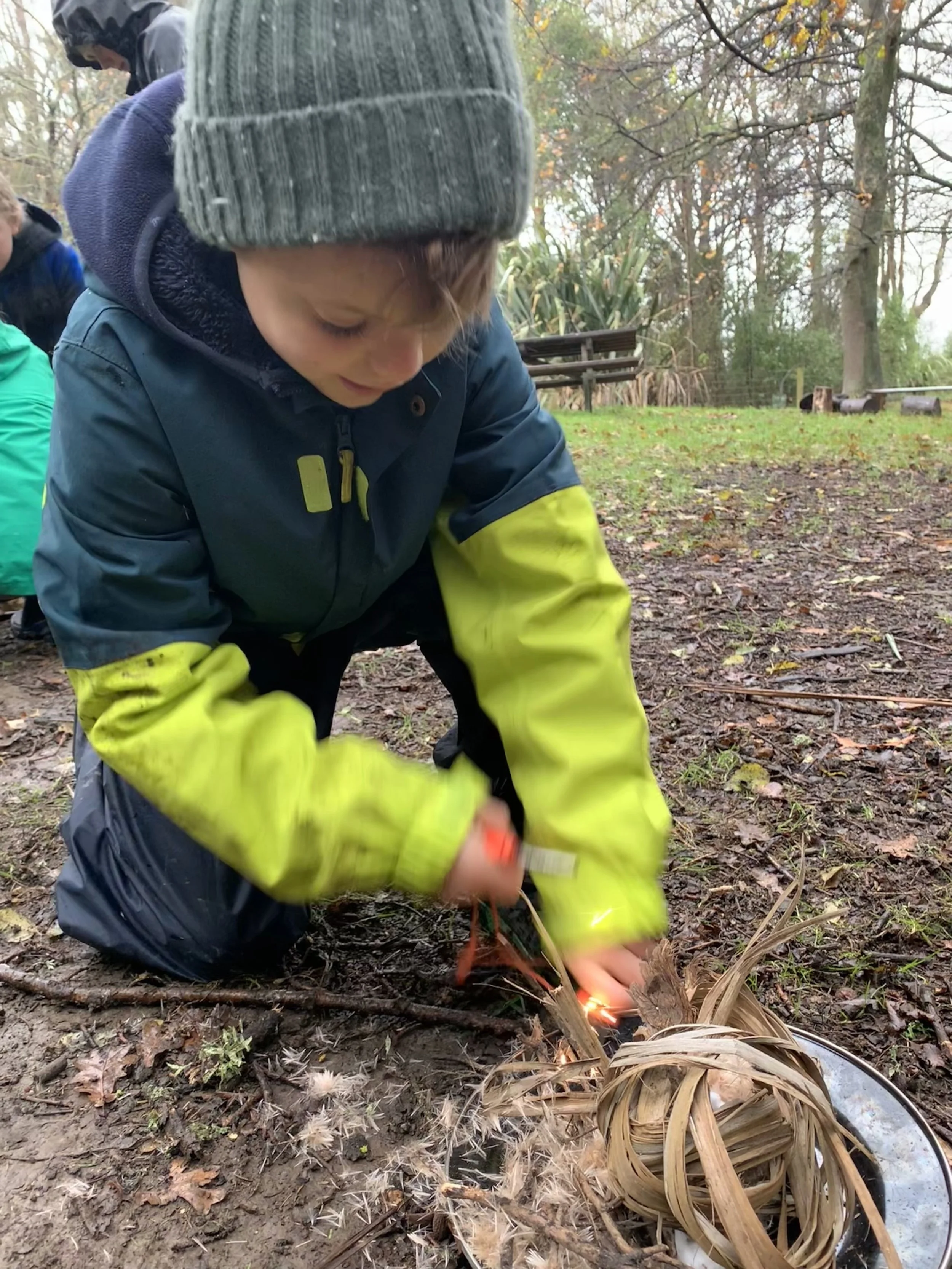
The children then set about lighting their own fires using flint and steel. The damp weather made it challenging, but every group managed to get a fire going. We were very impressed by their perseverance and teamwork!
Once the fires were burning, we made bread, carefully kneading the dough before placing it in the camp oven. We managed to keep the fire alight long enough to bake it, then ate our fresh bread with butter and jam as we reflected on the day.
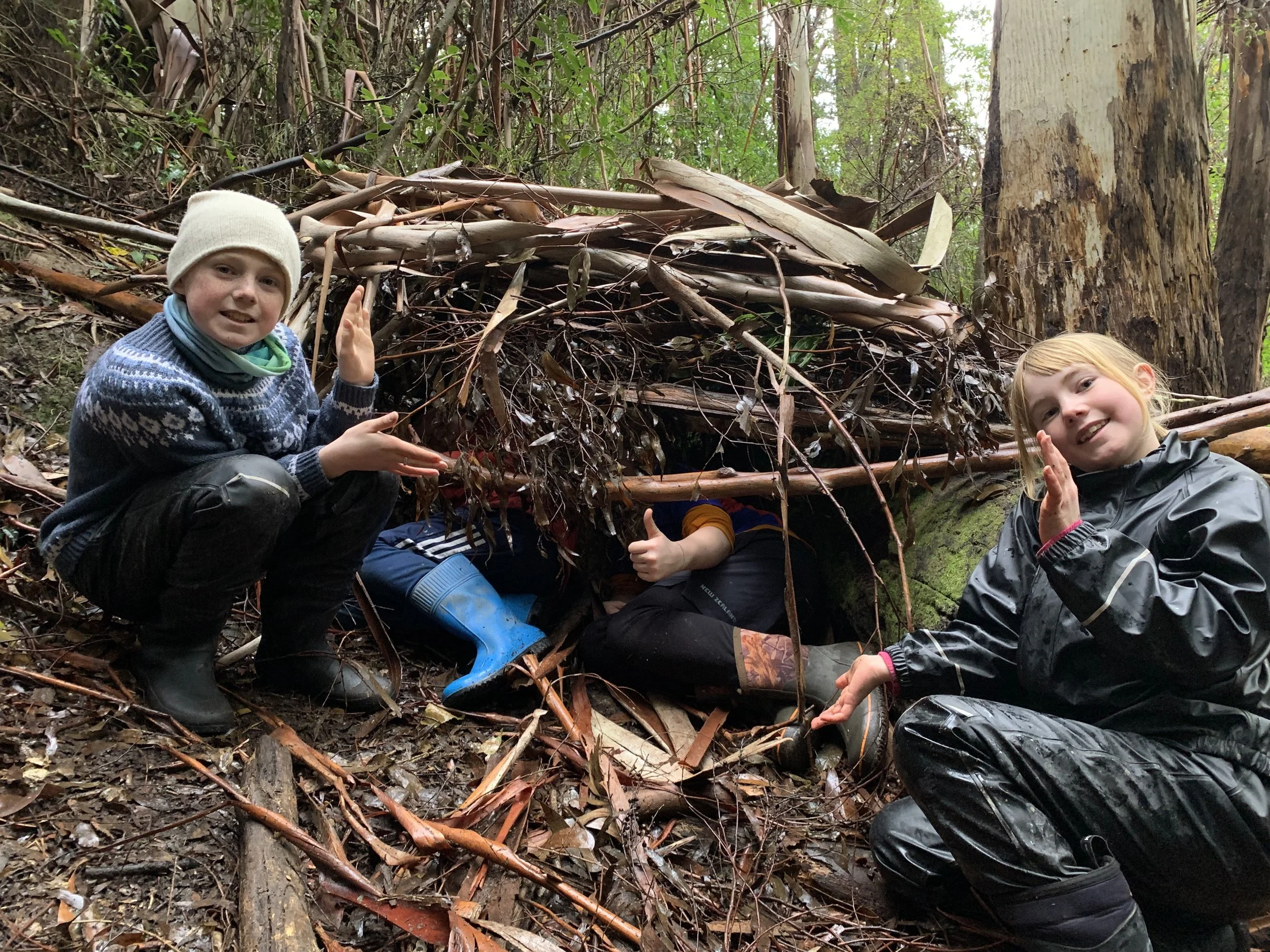
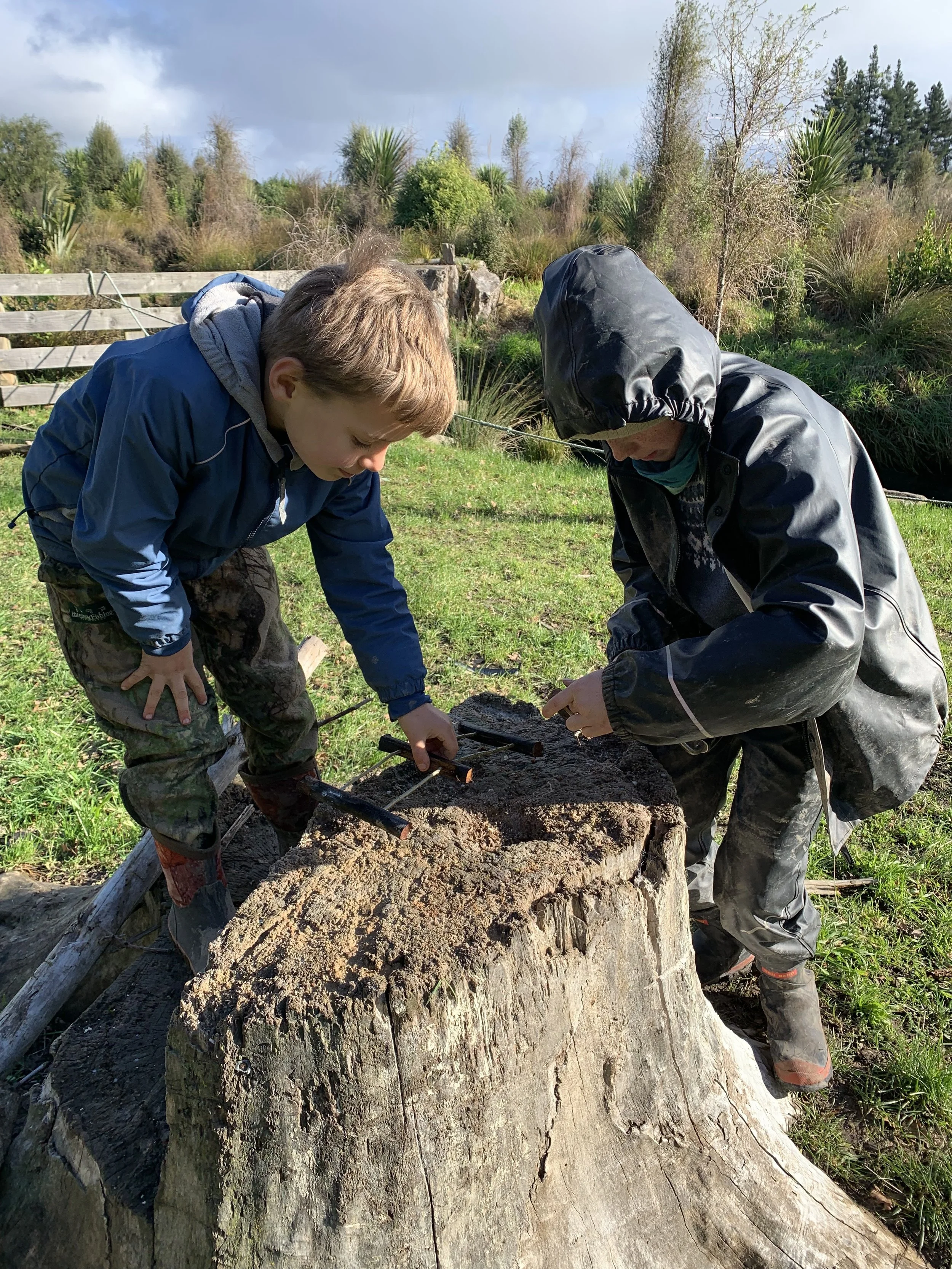
On day two, we headed over the Port Hills to Orton Bradley Park. We walked up the valley in the company of two black pīwakawaka, then set about creating some thoughtfully designed shelters. They included insulation, good views, a fire pit and even a toilet! We talked about how God asks us to care for this shared home and all the creatures that live here.
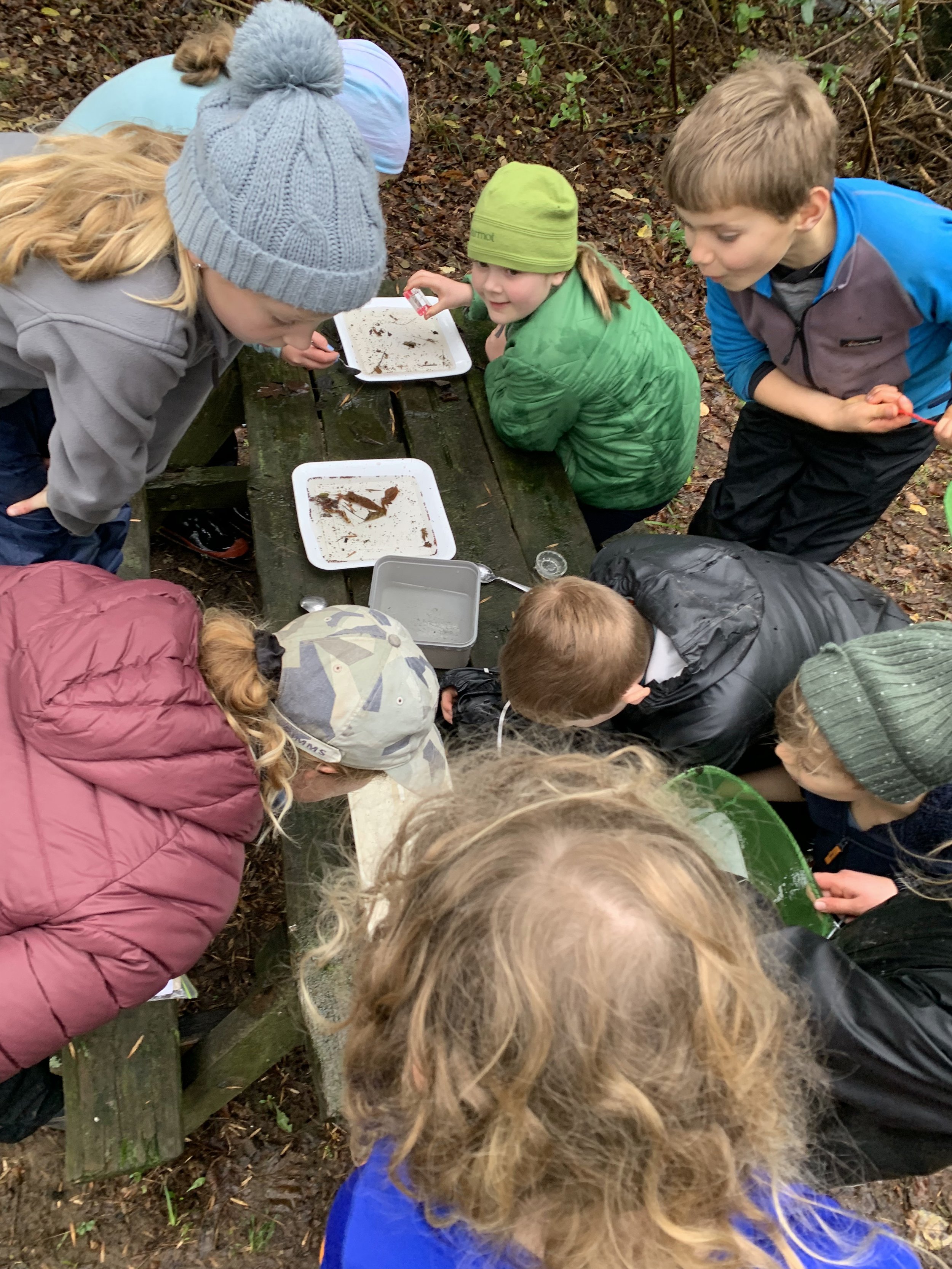
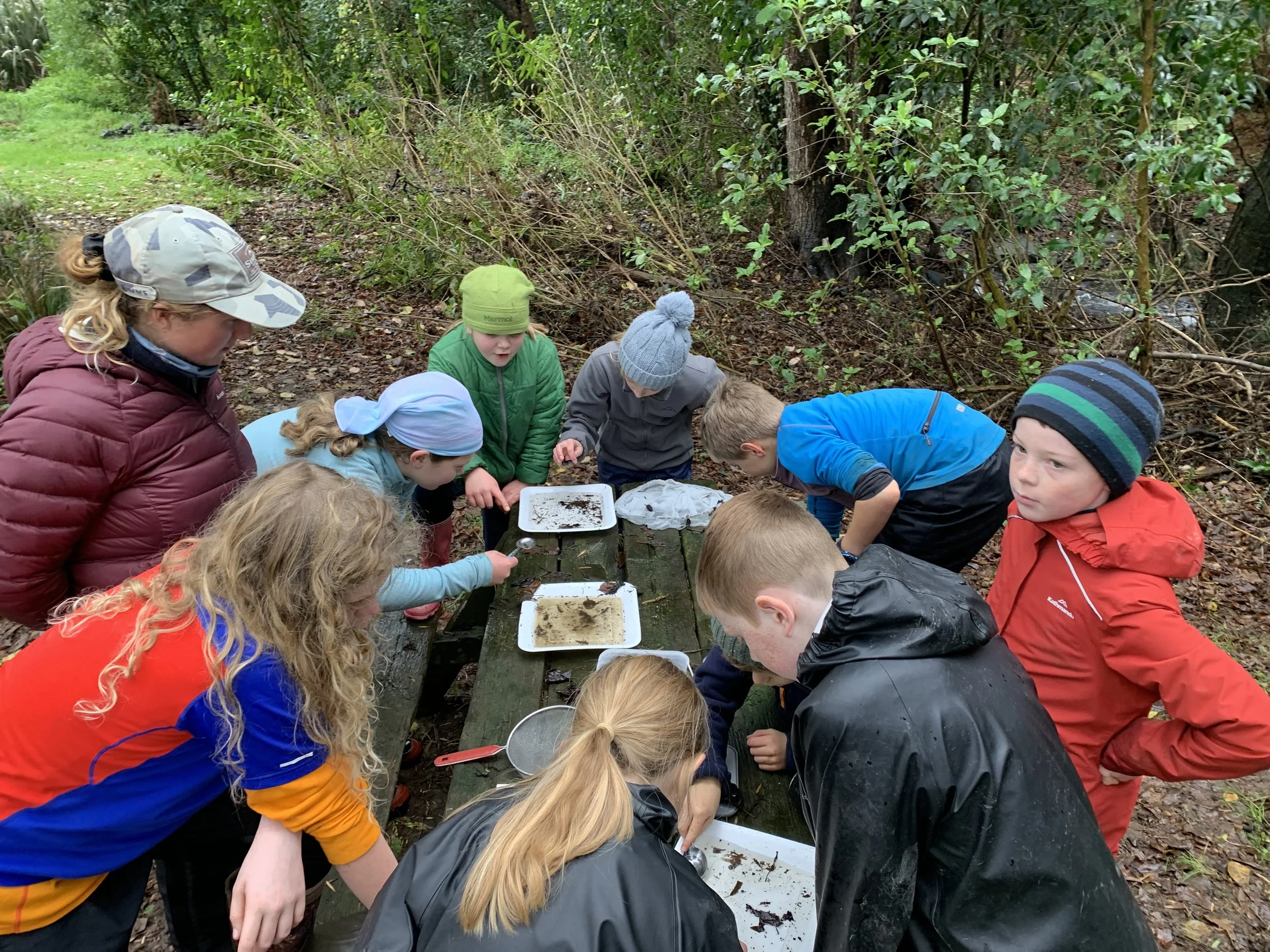
We headed back down the valley for lunch and to discover some of the creatures living in the stream. Freshwater macroinvertebrates may be small and easily overlooked, but they are an important part of the freshwater ecosystem. We dipped our nets into the water to see what we could find – quite a lot, as it turned out!
In total, we found seven different types of macroinvertebrates, including some that are sensitive to pollution. Their presence indicated that the stream was healthy. Unfortunately, the tuna (eels) weren’t so easy to find this time!
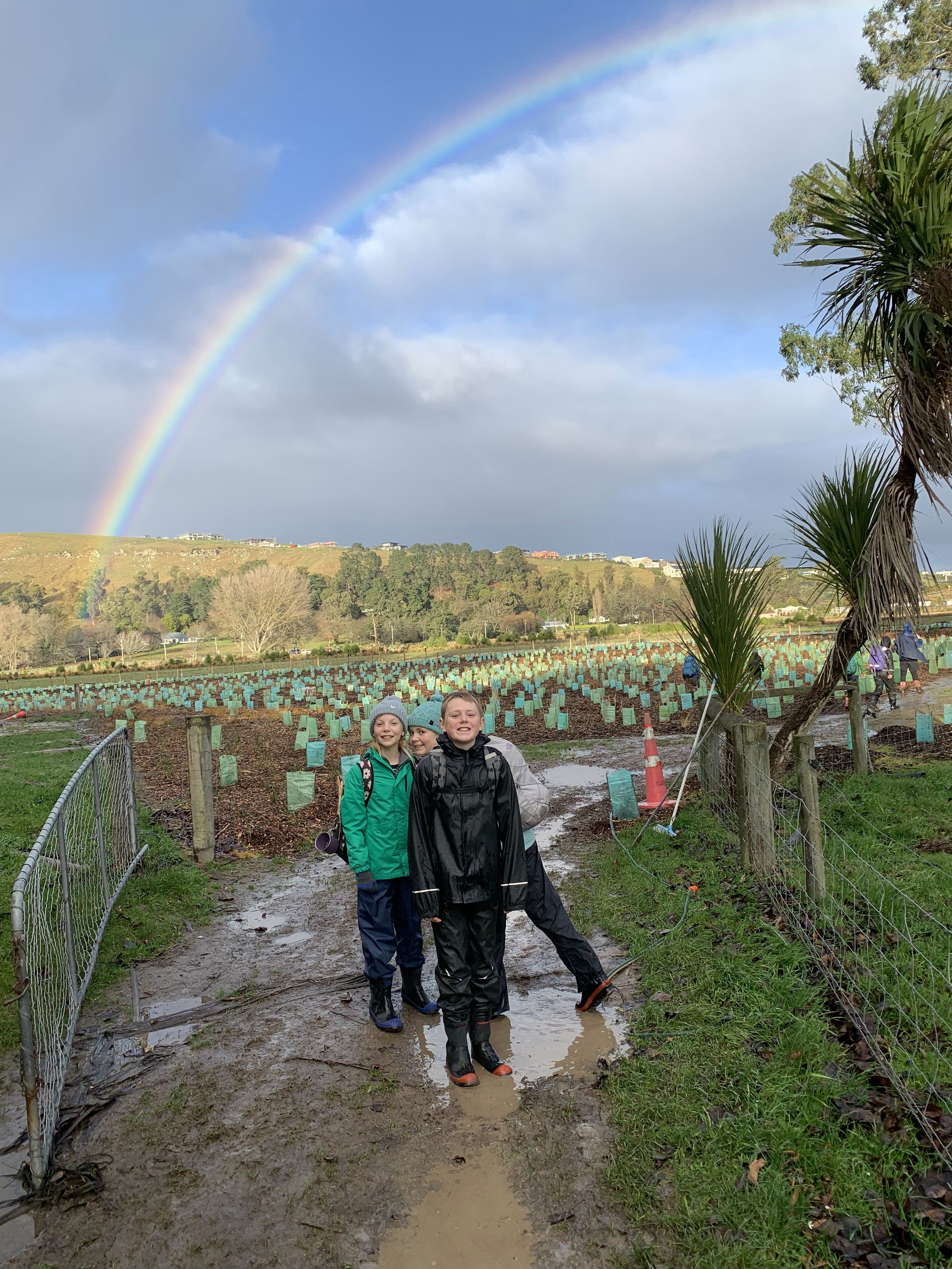
Day three was spent back on the farm. As we walked in, a huge rainbow stretched across the valley, prompting gasps of awe and plenty of interesting discussion about how rainbows are formed. Thankfully, it was also a sign that the sun was beginning to emerge after all the wet weather.
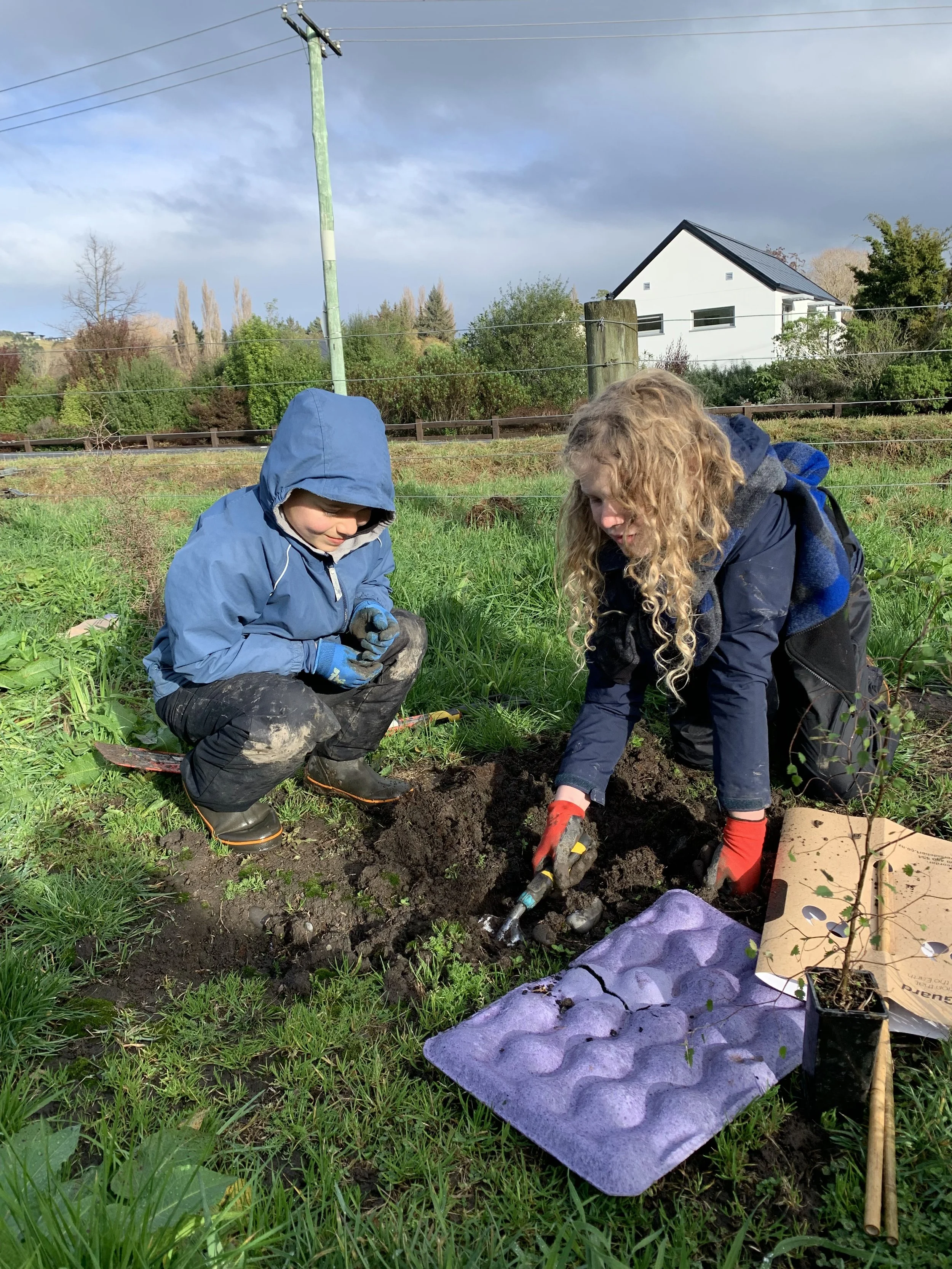
We read a story about how we lost many of our mighty forest giants and how we can be kaitiaki by planting seedlings. We then headed across the road to the Regenesis planting site to do just that. Planting trees is one way we can create a healthy home for God’s creatures – providing habitat for birds and insects and protecting our streams so that even the littlest creatures can thrive.
After lunch, some of the children whittled bark from sticks and discovered how charcoal can be made through anaerobic burning - by heating wood with very little oxygen. Others made rafts from harakeke flower stalks and floated them on the pond.
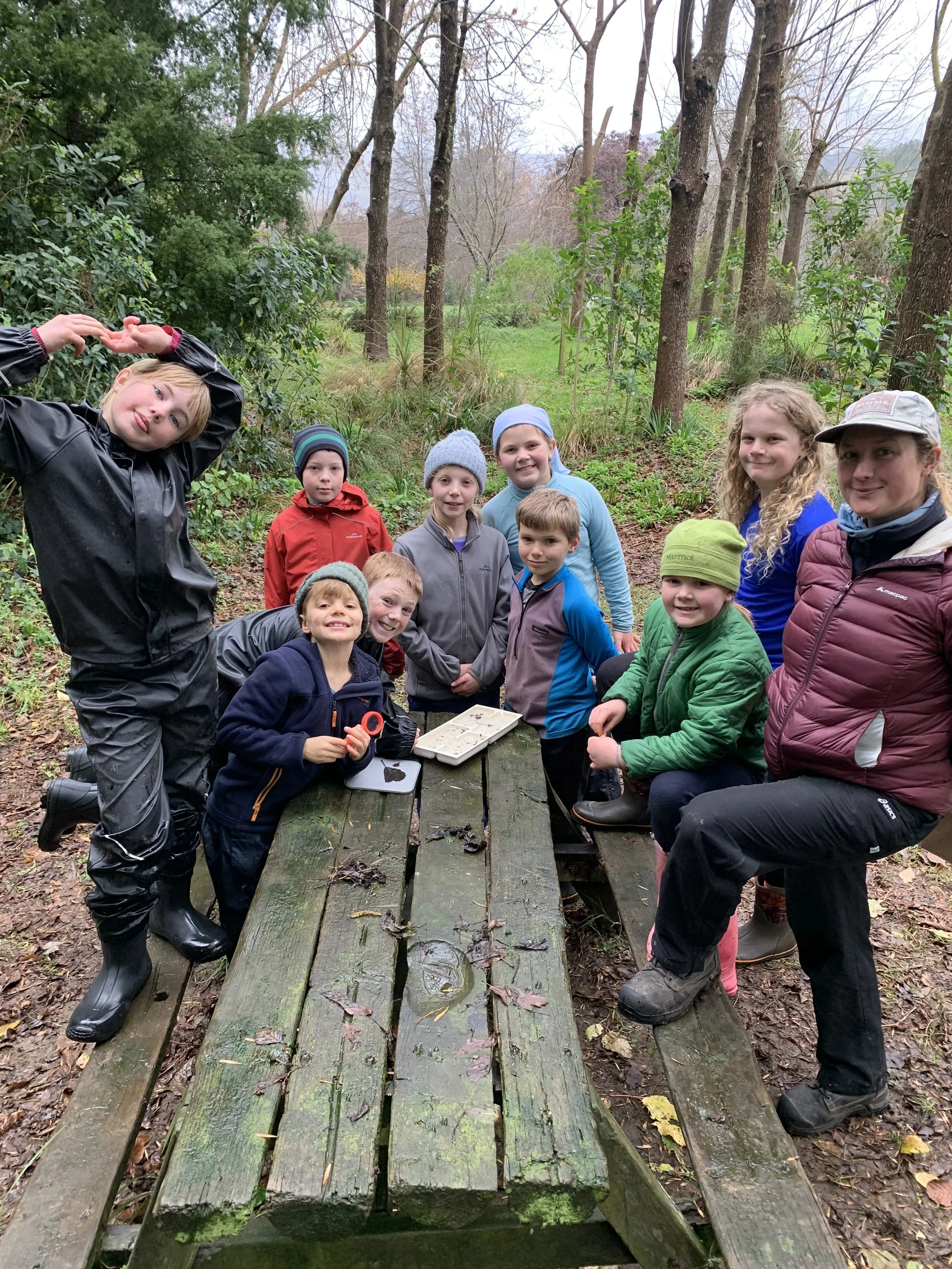
It was sad to say goodbye to our tamariki. They always bring such joy and curiosity. Spending time outside with tamariki always gives me a fresh perspective on the beauty, creativity and wonder of God’s creation. They often notice things I overlook in my busyness and distraction.
These experiences give children an important opportunity to develop a connection with nature – one that can grow into a lifelong commitment to caring for creation. My prayer is that every child will have opportunities like these to know God more deeply through time spent outside in nature.
As theologian Steven Bouma-Prediger writes in For the Beauty of the Earth:
“We care for only what we love. We love only what we know. We truly know only what we experience.”